
How to Treat Blind Pimples: Expert Dermatologist Advice
Understanding Blind Pimples
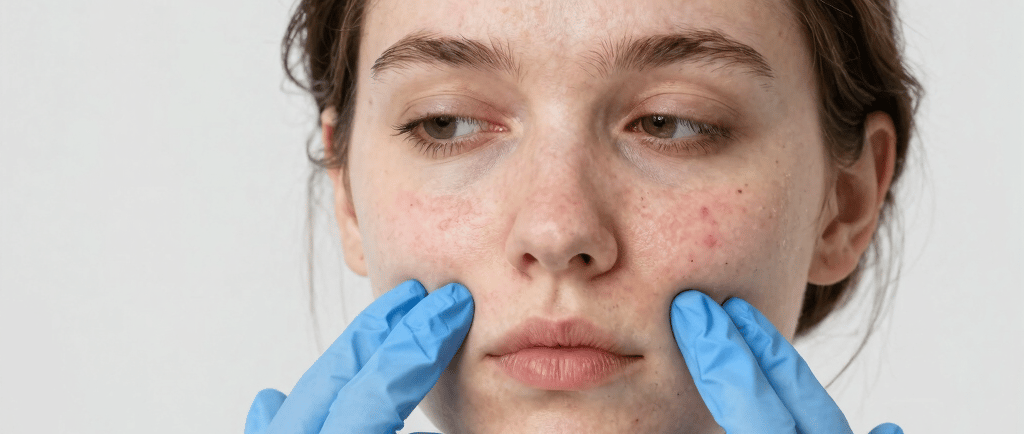
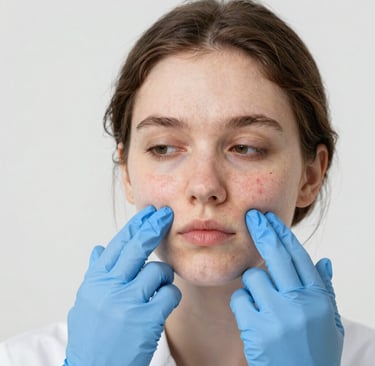
Blind pimples, also referred to as cystic acne, are a distinctive type of acne that develop deep beneath the surface of the skin. Unlike typical pimples, which have a visible whitehead or pus formation, blind pimples remain hidden, lacking an obvious outlet. This characteristic makes them particularly frustrating, as they can take longer to heal and may be accompanied by discomfort or pain. The formation of a blind pimple occurs when hair follicles become clogged with excess oil, dead skin cells, and bacteria, leading to inflammation in the underlying skin layers.
The causes of blind pimples are multifaceted and often intertwined with various dermatological factors. Hormonal fluctuations play a significant role, with spikes in hormones such as androgens contributing to increased oil production in the skin. This is particularly evident during puberty, menstrual cycles, or instances of hormonal therapy. Additionally, stress has been identified as a common trigger, as it can lead to heightened oil secretion and inflammation, setting the stage for the development of blind pimples. Cosmetics that are comedogenic, meaning they clog pores, can exacerbate the issue, further increasing the likelihood of experiencing such acne.
Another notable characteristic of blind pimples is their tendency to appear in areas with a higher density of oil glands, such as the forehead, chin, and along the jawline. Unlike other forms of acne, such as whiteheads or blackheads, which are evident on the skin's surface and can often be treated with topical applications, blind pimples require a more nuanced approach due to their deeper location. Understanding the underlying processes that lead to their formation is essential for effective treatment and prevention, underscoring the need to address both internal and external factors influencing skin health.
Signs and Symptoms to Identify Blind Pimples
Blind pimples, a common skin concern, are often misidentified as regular acne. These cystic formations can be particularly frustrating due to their deep placement within the skin and lack of a visible head. Recognizing the signs and symptoms of blind pimples is crucial for effective treatment and management. One of the primary indicators of a blind pimple is tenderness beneath the skin’s surface. Unlike conventional acne, which may present with a prominent whitehead or blackhead, blind pimples are characterized by palpable bumps that emit discomfort when pressure is applied.
Another symptom to note is the surrounding redness, which can signify inflammation. This is indicative of the body’s immune response to the underlying clogging of hair follicles and sebaceous glands. The lack of a visible head in blind pimples can make them particularly confusing; therefore, understanding their unique presentation is essential for proper diagnosis.
Patients experiencing blind pimples may also notice increased sensitivity in the affected area, coupled with a feeling of heat compared to the surrounding skin. These symptoms are often exacerbated by touching or manipulating the area, which can lead to further irritation and potential scarring. Additionally, the duration of blind pimples can vary, often persisting for several days to weeks before resolving. This timeframe can serve as a distinguishing factor from regular acne lesions, which may respond more quickly to topical treatments.
It is advisable to seek professional help if symptoms such as significant pain, swelling, or persistent inflammation occurs. Dermatologists can offer specialized insight and effective treatment solutions tailored to the individual’s skin condition. Recognizing the signs of blind pimples early can aid in achieving better skin health and minimizing potential complications.
Skincare Routine for Preventing Blind Pimples
Establishing an effective skincare routine is crucial in the prevention of blind pimples. Blind pimples, often characterized by their deep, painful presence beneath the skin, develop due to a combination of bacteria, excess oil, and dead skin cells. Thus, a comprehensive skincare regimen should aim to address these factors through appropriate cleansing, exfoliation, moisturizing, and the incorporation of specific acne-fighting ingredients.
Beginning with cleansing, it is essential to select a gentle yet effective cleanser that is suitable for your skin type. A daily cleansing routine, performed twice a day, helps remove impurities and excess oil, minimizing the risk of clogged pores. Look for cleansers containing salicylic acid, as this beta-hydroxy acid penetrates deeply into the pores, helping to dissolve blockages and reduce inflammation.
Regular exfoliation also plays a vital role in preventing blind pimples. Chemical exfoliants, such as alpha-hydroxy acids (AHAs) and salicylic acid, can aid in eliminating dead skin cells and promoting skin cell turnover. Incorporating exfoliation into your routine two to three times a week can prevent the buildup of dead skin, which often leads to blind pimples.
Moisturizing is another critical step that should not be overlooked. While it may seem counterintuitive to moisturize oily or acne-prone skin, using a lightweight, oil-free moisturizer can help maintain the skin’s moisture balance without contributing to breakouts. Ingredients like hyaluronic acid can hydrate the skin while preventing excess oil production.
Finally, integrating ingredients such as benzoyl peroxide can effectively target and treat acne bacteria. It can be applied directly to affected areas to help reduce the likelihood of blind pimples forming. Using these components consistently and according to the recommendations of a dermatologist will enhance your results and promote clear skin.
Home Remedies for Treating Blind Pimples
Blind pimples, often characterized by their deep and painful nature, can be effectively managed using several home remedies. These natural treatments not only help in reducing inflammation but also promote healing, aiding in the overall skin recovery process.
One of the most popular remedies is tea tree oil, renowned for its antimicrobial properties. When diluted with a carrier oil, such as coconut or jojoba oil, it can be directly applied to the affected area. This helps to minimize the size and redness of the blind pimple while preventing further infection. However, individuals should ensure to conduct a patch test before applying it to larger areas of skin to avoid irritation.
Another effective method involves the use of ice compresses. Applying an ice cube wrapped in a cloth to the blind pimple can help reduce swelling and numb the pain associated with it. This method is particularly beneficial if done for short intervals throughout the day, providing immediate relief and potentially reducing the duration of the pimple.
Honey, particularly raw or manuka honey, also boasts anti-inflammatory and antibacterial properties, making it a valuable remedy for treating blind pimples. By applying a small amount directly onto the pimple and leaving it for 20-30 minutes, individuals may notice reduced inflammation and a quicker healing process. As with other treatments, a patch test is advisable, especially for those with sensitive skin.
Overall, these home remedies present simple yet effective approaches to managing blind pimples. They promote skin health and encourage a natural healing process. However, it is essential to observe how one's skin reacts to these treatments and discontinue use if irritation occurs.
Over-the-Counter Treatments and Their Effectiveness
Blind pimples, also known as cystic acne, can be particularly challenging to manage, given their location beneath the skin's surface. Fortunately, several over-the-counter (OTC) treatments can effectively address this issue, allowing for self-care at home. Understanding the key ingredients in these products can significantly enhance their effectiveness in treating blind pimples.
One of the most recommended options is topical retinoids, such as adapalene. These derivatives of vitamin A work by accelerating cell turnover, preventing clogged pores, and promoting the shedding of dead skin cells. Regular use of retinoids can help reduce the formation of blind pimples, although it may take several weeks to see significant results. It’s advisable to start with a lower concentration to gauge skin sensitivity.
Another class of ingredients to consider are exfoliating agents, like salicylic acid and glycolic acid. Salicylic acid is known for its ability to penetrate the pores and dissolve debris, making it particularly effective for inflammatory lesions like blind pimples. Glycolic acid, an alpha hydroxy acid, exfoliates the surface layer of the skin, helping to enhance skin texture and prevent future breakouts. Both acids can be found in various formulations, including cleansers, toners, and spot treatments.
Additionally, acne patches infused with ingredients like hydrocolloid can offer a targeted solution by absorbing excess oil and preventing further irritation. These patches are applied directly to the pimple and can promote faster healing by creating a moist environment.
For optimal results, individuals should introduce new products gradually, following the manufacturer’s instructions, and monitoring for any adverse reactions. A consistent skincare routine combined with these OTC treatments can significantly improve the management of blind pimples and contribute to clearer skin overall.
When to Seek Professional Dermatological Help
Blind pimples, also known as cystic acne, can be particularly distressing due to their painful nature and tendency to linger beneath the skin's surface. While many cases of blind pimples can be managed with home care, certain signs indicate that professional dermatological help may be necessary. If you experience blind pimples that are persistent, painful, or recurrent, seeking the advice of a dermatologist should be a priority.
Persistent blind pimples that do not respond to over-the-counter treatments or home remedies may indicate a deeper underlying issue. If such blemishes remain on your skin for an extended period or continue to reappear in the same areas, it may be time to consult a skincare expert. A dermatologist can more accurately assess the cause of your condition and provide targeted treatment options tailored to your needs.
Additionally, if you find that your blind pimples are accompanied by significant pain or discomfort, professional evaluation can help. A dermatologist can recommend options to alleviate discomfort effectively. Treatments might include prescription medications such as topical retinoids or antibiotics that reduce inflammation and tackle underlying bacteria causing the blind pimples.
In some cases, dermatologists may suggest procedures like cortisone injections. These injections can significantly reduce inflammation and speed up healing in stubborn blind pimples. They work by targeting the cyst directly and reducing swelling, which can provide rapid relief. With various approaches available, a dermatologist offers valuable expertise in tailoring treatments to suit individual skin types and conditions.
In conclusion, knowing when to seek professional help for blind pimples can lead to more effective management of your skin health. Don't hesitate to reach out to a dermatologist if your condition persists or causes significant distress.
Tips for Managing Skin Health Post-Treatment
After the treatment of blind pimples, maintaining healthy skin is essential to prevent future breakouts and promote overall skin health. Implementing a consistent skincare routine is a fundamental aspect of post-treatment care. Start by using a gentle cleanser that does not strip the skin of its natural oils. Cleansing twice a day helps remove impurities and excess oil without causing irritation.
Moisturizing is crucial even for those with oily skin. Opt for non-comedogenic products to ensure that your skin's pores remain unblocked. Select a moisturizer that contains beneficial ingredients such as hyaluronic acid or glycerin to maintain hydration without exacerbating oiliness.
Exfoliation should also be considered in your post-treatment regimen. Incorporate gentle exfoliants like alpha-hydroxy acids (AHAs) or beta-hydroxy acids (BHAs) once or twice a week. These help to promote cell turnover and prevent clogged pores, which in turn can deter new blind pimples from forming.
Furthermore, lifestyle choices play a significant role in skin health. Prioritize adequate hydration by drinking plenty of water throughout the day, as proper hydration aids the skin in maintaining its elasticity and barrier function. Additionally, incorporating a balanced diet rich in fruits, vegetables, and omega-3 fatty acids can enhance skin health and assist in reducing inflammation.
Do not underestimate the importance of skincare habits such as avoiding touching your face and using clean pillowcases and towels. These small yet impactful steps can significantly minimize the risk of new outbreaks, ensuring that the skin remains clear and healthy.
Lastly, consider regular checks with a dermatologist to monitor skin health and receive personalized advice tailored to your specific skin needs, helping you to proactively manage your skin following blind pimple treatment.