
Effective Strategies to Get Rid of Redness from Pimples and Acne
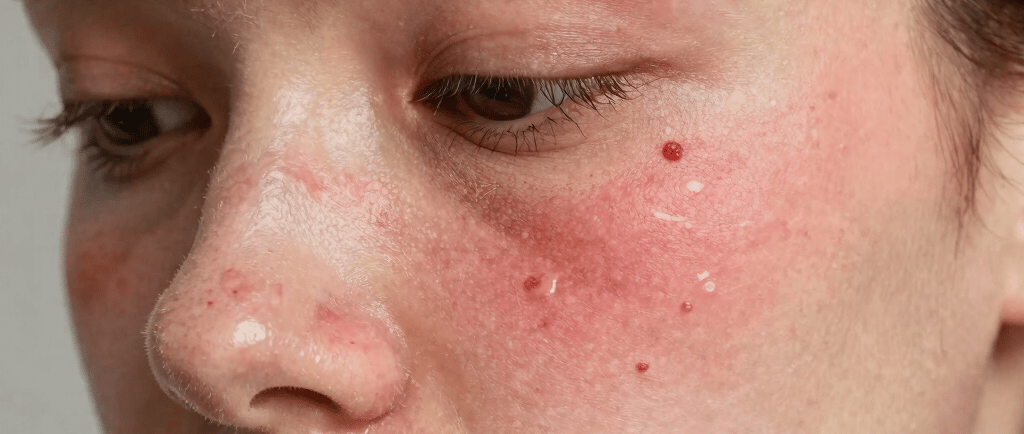
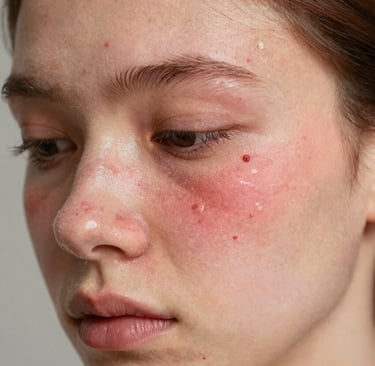
Understanding Acne and Redness
Acne is a widespread skin condition that can result from various factors, including hormonal changes, excess oil production, and the presence of bacteria on the skin. It predominantly affects adolescents but can persist into adulthood, often leading to significant emotional and psychological impacts. The development of acne begins when hair follicles become clogged with oil and dead skin cells. This blockage creates an ideal environment for bacteria, particularly Propionibacterium acnes, to thrive, resulting in inflammation and redness as the body's immune response kicks in.
Redness associated with acne is primarily due to this inflammatory response. When the skin experiences irritation—whether from acne lesions, external factors, or even excessive picking—it triggers a response from the immune system, leading to the dilation of blood vessels in the affected area. This dilation causes the characteristic redness that many people associate with acne. Interestingly, not all individuals experience the same level of redness or inflammation, which can be attributed to genetic factors, skin type, and individual variations in the immune response.
There are several types of acne, each presenting distinct characteristics. For instance, comedonal acne is marked by closed (whiteheads) or open (blackheads) clogged pores, often with minimal redness. In contrast, inflammatory acne, such as papules and pustules, is typically more red and swollen due to the body's inflammatory response. Nodules and cystic acne are severe forms that can be particularly painful and red, often requiring medical intervention. Understanding these various presentations and their associated redness can aid individuals in selecting the most effective treatment strategies.
Essential Skin Care Routine
To effectively reduce redness from pimples and acne, establishing an essential skin care routine is paramount. This routine should include three main steps: cleansing, toning, and moisturizing. Each step plays an integral role in managing inflammation and promoting healthier skin.
The first step, cleansing, is crucial for removing dirt, oil, and makeup that can clog pores and exacerbate acne. Choose a gentle, non-comedogenic cleanser that suits your skin type—whether it be oily, dry, or combination. Ingredients such as salicylic acid or benzoyl peroxide can be beneficial; however, they must be used cautiously to avoid over-drying the skin. It is advisable to cleanse your face twice daily to maintain clarity without irritating the skin.
Following cleansing, toning assists in removing any residual impurities and preparing the skin for better absorption of moisturizers. Opt for alcohol-free toners containing soothing ingredients like witch hazel or rose water; these help reduce redness without stripping the skin's natural moisture. Applying toner can be facilitated with either a cotton pad or by patting it directly onto the skin with clean hands.
The last step is moisturizing, which often gets overlooked by those struggling with acne. However, proper hydration is vital for balancing the skin's oil production. Choose a lightweight, non-comedogenic moisturizer that contains calming ingredients like aloe vera or chamomile. Applying moisturizer while the skin is still slightly damp enhances absorption and efficacy.
By diligently following these skin care routines and selecting the appropriate products based on individual skin types, one can effectively minimize redness associated with pimples and acne, paving the way for clearer skin.
Home Remedies for Redness Reduction
Redness caused by pimples and acne can be distressing, but various home remedies can provide soothing relief using natural ingredients commonly found in kitchens. One highly regarded remedy is aloe vera. Known for its anti-inflammatory properties, aloe vera can help reduce redness and promote healing. Simply apply the gel from the aloe vera leaf directly to the affected area and leave it on for about 30 minutes before rinsing off with lukewarm water. This remedy is gentle and suitable for most skin types, although individuals with allergies should perform a patch test first.
Another effective ingredient is honey, which possesses natural antibacterial and anti-inflammatory properties. To utilize honey, apply a thin layer directly onto the red spots and allow it to sit for around 20 minutes before washing it off. This method can help soothe the skin and reduce inflammation, making it a popular choice for acne treatment. However, those with sensitive skin should approach this remedy cautiously, as honey can sometimes cause irritation.
Green tea, rich in antioxidants and anti-inflammatory compounds, can also assist in reducing redness. Preparing green tea is simple; just brew a tea bag in hot water, allow it to cool, and then use a clean cotton ball to apply it to the affected areas. This approach not only helps diminish redness but also provides a cooling effect that can be quite refreshing.
While these home remedies are generally safe, it is crucial to keep in mind the individual skin type and any specific sensitivities. Always consult a healthcare professional if unsure about a particular remedy or if severe acne persists. Natural remedies can be effective adjuncts to traditional treatments but may not replace comprehensive skincare routines or medical advice.
Over-the-Counter Treatments
Over-the-counter (OTC) treatments are widely accessible solutions designed to alleviate symptoms associated with acne, including redness from pimples. Numerous products contain active ingredients effective in managing acne and its inflammatory manifestations. Among the most prevalent are benzoyl peroxide, salicylic acid, and niacinamide, each serving a distinct purpose in treating acne and reducing redness.
Benzoyl peroxide is a potent antibacterial agent that targets the bacteria responsible for acne, reducing inflammation and minimizing redness. It works by introducing oxygen into the pores, which effectively kills the acne-causing bacteria. Additionally, benzoyl peroxide aids in the desquamation process, helping to unclog pores, thereby preventing future breakouts. However, due to its strength, it may cause dryness and irritation in some skin types, necessitating the use of a moisturizer alongside its application.
Salicylic acid, a beta hydroxy acid (BHA), is another effective ingredient frequently found in OTC treatments for acne. It penetrates the skin, exfoliating dead skin cells and reducing sebum production, which can contribute to the development of pimples and redness. Salicylic acid is particularly well-suited for oily and acne-prone skin types, providing a gentler alternative for those who may be sensitive to benzoyl peroxide.
Lastly, niacinamide, or vitamin B3, has gained popularity for its anti-inflammatory properties, making it an excellent choice for reducing redness. It not only assists in calming irritated skin but also helps improve the skin's barrier function, promoting overall skin health. When selecting an OTC treatment, individuals should consider their specific skin type and the severity of their acne condition. Testing products on a small skin area before widespread application can also help prevent adverse reactions.
Prescription Medications and Treatments
When over-the-counter remedies prove insufficient in alleviating the redness associated with pimples and acne, prescription medications may offer a more effective solution. Dermatologists recommend various treatment options tailored to the individual's needs, focusing primarily on reducing inflammation and redness effectively. Topical treatments often used include retinoids, which promote cell turnover and diminish the appearance of active lesions and post-inflammatory erythema. These products encourage skin regeneration and can dramatically enhance the tone and texture of the skin over time.
In addition to topical therapies, oral medications may be prescribed to manage more severe cases of acne. For instance, antibiotics such as doxycycline or minocycline can combat the bacteria contributing to inflammatory acne while also reducing redness and swelling. These medications work by curbing the inflammatory response in the skin, thereby promoting healing. Another potent option for treating not only acne but also associated redness is isotretinoin, a powerful medication that targets the root causes of acne on multiple fronts. However, careful consideration and frequent consultation with a dermatologist are essential to determine the appropriateness of this treatment due to potential side effects.
For some individuals, hormonal treatments, such as birth control pills, can also be beneficial in regulating hormonal fluctuations that lead to acne flare-ups. These options can help stabilize oil production and subsequently reduce the occurrence of pimples and related redness. It is crucial for patients to communicate openly with their dermatologists about their medical histories and treatment goals to arrive at the most suitable plan. Customized treatment plans can make a significant difference in managing acne and redness effectively, paving the way to clearer skin.
Lifestyle Changes to Minimize Redness
Managing redness from pimples and acne often begins with adopting healthy lifestyle changes. These changes can significantly improve skin health and reduce inflammation, which directly impacts the visibility of redness. A balanced diet plays a crucial role in promoting skin health; incorporating foods rich in antioxidants, such as fruits and vegetables, can help neutralize free radicals that may contribute to skin irritation. Omega-3 fatty acids found in fish like salmon and nuts can also help reduce inflammation, while foods high in sugar and refined carbohydrates may exacerbate acne and redness.
Stress management is another vital aspect. Stress triggers hormonal imbalances that can lead to increased oil production and inflammation, worsening acne and redness. Engaging in activities such as yoga, meditation, or deep breathing exercises can help alleviate stress levels. Likewise, regular exercise improves blood circulation, promoting healthier skin while encouraging the release of endorphins, which are known to enhance mood and reduce stress.
Additionally, adequate hydration is essential for maintaining skin elasticity and flushing out toxins, which can influence the severity of acne. Drinking enough water each day ensures that the skin stays supple and less prone to irritation. Sleep also plays a pivotal role in skin health; during sleep, the body repairs itself. Aim for 7-9 hours of quality rest each night to provide the skin with the necessary time to heal and regenerate.
It is equally important to avoid habits that can aggravate redness. Picking at pimples can lead to further inflammation and potential scarring. Establishing a consistent skincare routine and being gentle with the skin can help in preventing additional irritation. By making these lifestyle changes, individuals may find their skin appears healthier and the redness associated with acne becomes less pronounced.
Preventing Future Redness and Acne
Maintaining healthy skin and mitigating the chances of experiencing redness and acne involves a multifaceted approach centered around consistent skin care, healthy lifestyle habits, and a clear understanding of personal triggers. The foundation of any effective strategy begins with a comprehensive skincare routine tailored to individual skin types. This routine ought to include gentle cleansing to remove impurities, regular exfoliation to eliminate dead skin cells, and moisturizing to maintain hydration levels. Choosing products that are non-comedogenic can also help prevent clogging of the pores, which is a critical factor in developing acne.
In addition to diligent skincare, adopting healthy daily habits is vital for preventing future outbreaks. A balanced diet rich in whole foods, antioxidants, and adequate hydration can significantly contribute to overall skin health. Foods high in sugars and processed ingredients may exacerbate inflammatory responses, potentially leading to increased redness and breakouts. Furthermore, prioritizing sufficient sleep and managing stress through relaxation techniques or physical activities can enhance skin clarity and overall well-being.
Recognizing personal triggers that may lead to flare-ups is another essential component of prevention. Factors such as hormonal changes, dietary choices, and environmental conditions can influence skin behavior. Keeping a journal to track outbreaks in conjunction with lifestyle and dietary habits can provide insight into patterns, thereby enabling proactive adjustments. In situations where home remedies do not yield satisfactory results or when severe cases of acne arise, consulting with a dermatologist is advised. Seeking professional advice ensures that one receives personalized treatment options, which could include prescription medications or advanced therapies tailored to individual needs.