
How to Get Rid of Acne Fast: Best Pimple Treatments to Try
Understanding Acne: Causes and Types
Acne is a prevalent skin condition that affects individuals of all ages, primarily during adolescence due to hormonal fluctuations. At its core, acne develops when hair follicles become clogged with dead skin cells, excess oil, and bacteria. This process results in various types of acne lesions which can severely impact an individual’s self-esteem and skin health.
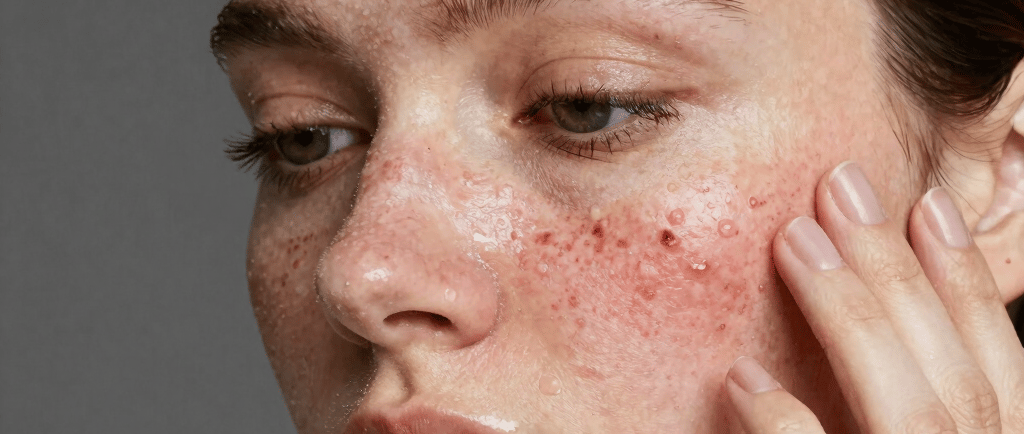
There are several types of acne lesions, each presenting different characteristics and challenges. Blackheads are small, dark bumps that occur when hair follicles are clogged with sebum and dead skin cells; their dark appearance is due to oxidation. Whiteheads are similar but are closed lesions that remain beneath the skin's surface. Papules are raised, red lesions that occur when hair follicles become inflamed, while pustules are similar but filled with pus. Nodules are larger, painful lesions that inhabit deeper layers of the skin, often leading to scarring.
Identifying the exact causes of acne can be complex, as several factors contribute to its onset. Hormonal changes, especially during puberty, pregnancy, or menstrual cycles, can stimulate sebaceous glands to produce more oil. Genetics also play a critical role; individuals with a family history of acne may be more predisposed to developing it themselves. Furthermore, dietary choices, particularly high in sugars and dairy, and poor skincare habits can exacerbate the condition.
Hormonal imbalances, genetics, diet, and skincare practices form the foundational understanding necessary for selecting effective treatments. By addressing these factors, individuals can implement targeted strategies to manage acne more effectively.
Quick Home Remedies for Acne Relief
Acne is a prevalent skin condition that affects a significant number of individuals, often leading to inflammation, discomfort, and emotional distress. Fortunately, several effective home remedies can assist in reducing inflammation and accelerating healing.
One popular option is tea tree oil, renowned for its antimicrobial properties. It can help combat the bacteria that trigger acne. To utilize this remedy, dilute tea tree oil with a carrier oil, such as coconut or jojoba oil, and apply it to affected areas just before bedtime. This method allows the skin to absorb the oil effectively and minimizes irritation.
Another beneficial remedy is honey, known for its antibacterial and anti-inflammatory effects. When applied directly to the skin, honey can promote healing by keeping the area moisturized and reducing redness. For optimal results, apply a thin layer of raw honey to the affected areas and leave it on for at least 20 minutes before rinsing with warm water.
Aloe vera is celebrated for its soothing properties. It can help nourish the skin while alleviating irritation. To incorporate aloe vera, use fresh gel extracted from the leaves and apply it directly to the acne-affected areas. This remedy can be used multiple times a day to soothe and hydrate the skin.
Apple cider vinegar (ACV) is another effective natural treatment, thanks to its ability to balance pH levels and its antimicrobial properties. To utilize ACV, dilute it with water and apply it with a cotton ball to troubled areas. However, ensure to conduct a patch test first, as ACV can cause irritation in some individuals.
It is essential to remember that while these remedies can provide relief, safety should always be a priority. Some individuals may experience adverse reactions, so it is advisable to consult with a healthcare professional or dermatologist before trying new treatments. Monitoring how your skin responds is important to avoid prolonged irritation or side effects.
Over-the-Counter Treatments to Try
For individuals seeking effective solutions for acne, numerous over-the-counter (OTC) treatments are readily available at pharmacies. Among these, benzoyl peroxide is widely recognized for its acne-fighting properties. This compound works by targeting the bacteria that cause acne, ultimately helping to reduce inflammation and prevent clogged pores. Available in various formulations, including creams, gels, and lotions, benzoyl peroxide concentrations typically range from 2.5% to 10%. It is prudent to start with lower concentrations, especially for those with sensitive skin, to gauge tolerance.
Another popular option is salicylic acid, which is a beta hydroxy acid (BHA) that functions by exfoliating the skin and clearing out pores. Salicylic acid is particularly effective against non-inflammatory acne, such as blackheads and whiteheads. It penetrates the skin deeply to dissolve the debris that can lead to these types of blemishes. As with benzoyl peroxide, salicylic acid is available in various forms, including pads, gels, and creams, enabling users to choose the most convenient method of application.
Alpha hydroxy acids (AHAs), including glycolic acid and lactic acid, are also effective in combating acne. These acids promote exfoliation by enhancing skin cell turnover, which can help in reducing acne scars and improving overall skin texture. While they are generally better suited for those with dry or sun-damaged skin, AHAs can also be beneficial for acne-prone individuals.
When selecting a treatment option, consider your skin type and the specific nature of your acne. Creams may be preferable for dry skin, while gels might suit oily complexions best. Additionally, pads infused with these ingredients can provide targeted treatment while also delivering gentle exfoliation. Overall, incorporating over-the-counter therapies into a skincare regimen can be a vital step towards achieving clearer, healthier skin.
Prescription Treatments for Persistent Acne
When over-the-counter solutions are ineffective for managing acne, prescription treatments can provide a more potent approach. Dermatologists often recommend a variety of options tailored to the severity and type of acne. Among the most common prescription treatments are topical retinoids, oral antibiotics, and hormonal therapies such as birth control pills.
Topical retinoids, derived from vitamin A, work by promoting cell turnover and preventing the clogging of pores, making them particularly effective for treating inflammatory acne and preventing future breakouts. Examples of topical retinoids include tretinoin and adapalene. Patients should apply these medications as directed, as they may cause initial irritation or dryness before improving skin texture and appearance.
Oral antibiotics, like doxycycline or minocycline, may be prescribed to reduce bacteria and inflammation associated with acne. These medications can be highly effective for moderate to severe acne. However, it is essential to follow the prescribed regimen, as misuse can lead to antibiotic resistance. Potential side effects may include stomach upset or increased sensitivity to sunlight.
Hormonal treatments, particularly birth control pills, can also be beneficial, especially for adult women experiencing hormonal acne flare-ups. These medications work by regulating hormones that can trigger increased oil production in the skin. Patients considering this option should consult with their healthcare provider to discuss possible side effects, including changes in menstrual cycles or mood alterations.
It is crucial for individuals experiencing persistent acne to seek professional help from a dermatologist. They can develop a customized treatment plan, monitor progress, and adjust medications as needed to optimize results, ensuring that safety and efficacy are prioritized throughout the treatment process.
Lifestyle Changes to Prevent Acne
Adopting specific lifestyle changes can significantly impact acne prevention and overall skin health. One of the foremost changes is to maintain a balanced diet that includes a diversity of nutrients. Incorporating fruits, vegetables, whole grains, and lean proteins can support skin function. Additionally, limiting the intake of processed foods and sugars may help in reducing acne flare-ups.
Hydration is another crucial factor. Drinking sufficient water throughout the day aids in detoxifying the body, consequently benefiting the skin. A well-hydrated body can help maintain skin elasticity and combat dryness, which are vital for overall health. Therefore, it is recommended to consume at least eight 8-ounce glasses of water daily to achieve optimal hydration.
Establishing a proper skincare routine is essential for minimizing acne occurrences. This routine should include cleansing, exfoliating, and moisturizing with products suited to one’s skin type. Gentle exfoliation can help remove dead skin cells that may clog pores, while non-comedogenic moisturizers can provide hydration without exacerbating acne.
Stress management techniques are also pivotal in controlling acne. High-stress levels can trigger hormonal imbalances that lead to increased oil production and, subsequently, breakouts. Implementing stress-relieving activities such as yoga, meditation, or regular exercise can effectively reduce stress and promote healthier skin.
Lastly, it is essential to avoid habitual touching and picking at the skin. These actions can introduce bacteria, increase irritation, and worsen existing acne. Being conscious of these habits and implementing strategies, like keeping hands busy with other tasks, can help in breaking this cycle.
Professional Treatments and Procedures
When it comes to combating acne, professional treatments and procedures offer advanced solutions that can complement at-home care. Dermatologists are equipped with a variety of treatments designed to address different types of acne and skin conditions effectively. Among these, chemical peels, laser therapy, and extraction procedures stand out for their potential to yield rapid results.
Chemical peels involve the application of a solution that creates controlled exfoliation of the outer skin layers. This process not only helps to remove dead skin cells but also encourages the regeneration of new skin. Depending on the strength of the peel, the downtime can vary. Superficial peels typically have minimal recovery time, while deeper peels may require a longer healing period. Candidates for chemical peels usually include individuals with mild to moderate acne scarring and active acne not responding to other treatments.
Laser therapy employs targeted light to mitigate acne lesions and reduce inflammation. This method can be particularly effective for persistent acne and is recognized for its minimal invasiveness. Recovery times vary, with many patients returning to their normal activities shortly after treatment. It's worth noting that some patients may require multiple sessions to achieve desired results, making it essential for potential candidates to have a thorough consultation with their dermatologist.
Extraction procedures, which involve the manual removal of acne lesions, can also be a viable option for those with stubborn comedonal acne. This method helps to clear clogged pores and can lead to immediate improvements in skin appearance. However, extraction should always be performed by a qualified professional to prevent complications such as scarring or infection.
In summary, seeking professional treatments for acne can be a transformative step for individuals struggling with severe or persistent skin issues. Consulting a dermatologist will allow patients to understand their options and determine the best course of action tailored to their specific needs.
Tips for Scarring and Post-Acne Treatment
Acne often leaves behind not only emotional scars but also physical marks on the skin, such as scars and dark spots. Addressing these post-acne concerns is crucial for achieving a smooth and even complexion. Various treatment options are available that can significantly assist in reducing the visibility of scars and enhancing skin health.
One effective solution for improving the appearance of scars is the use of silicone gels or sheets. These products work by hydrating the scar tissue and helping to flatten irregularities over time. It is important to apply these silicone treatments consistently for optimal results. Another advanced technique is microneedling, which involves creating micro-injuries in the skin using fine needles. This process stimulates collagen production, aiding in the regeneration of healthy skin. Post-treatment, individuals often notice a reduction in scar visibility and improved skin texture.
Laser resurfacing is another option that may be considered for those with more pronounced scarring. This procedure uses focused laser light to remove damaged skin and promote new skin growth. It can be particularly effective for treating both acne scars and enlarged pores. However, it is essential to consult with a dermatologist or licensed practitioner to determine the most suitable approach based on individual skin types and the severity of scarring.
In addition to these treatments, maintaining skin health post-acne is vital for preventing future outbreaks. Regular cleansing with a gentle exfoliant can help eliminate dead skin cells and maintain clear pores. Incorporating non-comedogenic skincare products can also ensure that skin remains hydrated without exacerbating acne. Furthermore, adopting a balanced diet rich in antioxidants can nourish the skin from within, supporting healing and preventing new blemishes.