
How to Get Rid of Pimples: 5 Ingredients to Fight Acne Fast
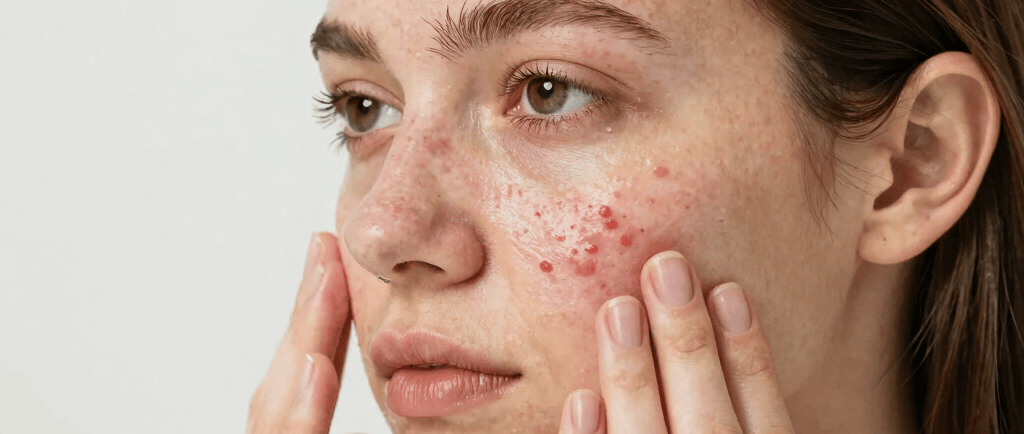
Understanding Acne: What Causes Pimples?
Acne is a common skin condition that manifests in various forms, including pimples, blackheads, and cysts. It primarily develops when hair follicles become clogged with excess sebum, dead skin cells, and bacteria. The process begins with hormonal fluctuations, often seen during puberty, menstruation, or hormonal treatments. These changes stimulate the sebaceous glands to produce more oil, setting the stage for potential acne outbreaks.
Environmental factors also significantly contribute to acne development. For instance, pollution, humidity, and exposure to certain cosmetic products can exacerbate oily skin and inflame existing irritation. Bacteria, particularly Propionibacterium acnes, flourish in clogged pores, triggering an immune response that results in inflammatory acne, characterized by red, swollen pimples.
There are several types of acne, each varying in severity and appearance. Comedonal acne, which includes blackheads and whiteheads, is often less inflamed while pustules and nodules reflect more severe inflammation. Factors such as genetics and skin type also play crucial roles in determining an individual's susceptibility to different forms of acne. For example, those with oily skin may be more prone to severe breakouts compared to individuals with drier skin.
Demographics can influence acne occurrence as well. Teenagers often experience acne due to hormonal changes, while adults can be impacted by stress, pollution, and lifestyle choices. Moreover, the prevalence of acne may differ based on ethnicity, with some skin types exhibiting varying degrees of acne severity. A comprehensive understanding of these physiological and environmental factors is vital for addressing and managing acne effectively.
The Importance of Choosing the Right Ingredients
When addressing the issue of acne, selecting the appropriate ingredients for treatment is fundamental in achieving effective results. Acne, often caused by a combination of factors including excess oil production, bacterial growth, and clogged pores, requires targeted treatment. Different ingredients serve distinct purposes and target various aspects of acne formation.
For instance, salicylic acid is renowned for its ability to penetrate pores and exfoliate the skin, which aids in unclogging pores and reducing inflammation. On the other hand, benzoyl peroxide functions by killing acne-causing bacteria and drying out excess oil, making it a potent choice for controlling breakouts. Incorporating such effective components can significantly enhance the overall efficacy of an acne treatment regimen.
However, it is equally critical to consider the skin's compatibility with these ingredients. Sensitive skin types may react adversely to harsh chemicals, leading to irritation, redness, or worsening of acne. Therefore, understanding the skin's unique needs is vital. Ingredients like tea tree oil or aloe vera offer gentler alternatives that can effectively combat acne while soothing and moisturizing the skin.
The synergy between ingredients and individual skin types is paramount in developing an effective treatment plan. This is why it is essential to read labels carefully and opt for products that feature a balanced blend of active ingredients tailored to individual requirements.
Ultimately, the careful selection of ingredients not only improves the chances of quicker acne resolution but also minimizes the risk of side effects and complications. By understanding the specific mechanisms of action associated with each ingredient, individuals can better navigate and personalize their acne management strategies for optimal outcomes.
Ingredient 1: Salicylic Acid – The Acne Hero
Salicylic acid is often praised in the skincare industry as a leading ingredient in the fight against acne. As a beta-hydroxy acid (BHA), it operates effectively by penetrating deep into the pores. This unique ability allows salicylic acid to dissolve built-up oil, debris, and dead skin cells that contribute to the formation of pimples. Unlike some other exfoliants that primarily work on the skin's surface, salicylic acid penetrates further, making it an essential component in many acne treatment products.
The effectiveness of salicylic acid lies not only in its exfoliating properties but also in its remarkable anti-inflammatory capabilities. When applied to the skin, it can help reduce redness and swelling often associated with breakouts. This dual action makes it a favorite among those who struggle with persistent acne and clogged pores.
Incorporating salicylic acid into a skincare routine can be straightforward. It is available in various forms, including cleansers, toners, and treatments specifically designed for spot application. For best results, it is advisable to use it gradually, starting with lower concentrations to assess skin tolerance. Typically, a product that contains 0.5% to 2% salicylic acid can be effective for most individuals. Users should apply the product consistently, following up with a moisturizer to combat any potential dryness that may occur as a result of its exfoliating nature.
It is also crucial to note that while salicylic acid has proven benefits, it is always wise to consult with a dermatologist for personalized advice, especially for those with sensitive skin or severe acne conditions. Overall, salicylic acid remains a vital ally in the quest for clearer skin, earning its title as the acne hero in many skincare regimens.
Ingredient 2: Tea Tree Oil – Nature's Antiseptic
Tea tree oil is derived from the leaves of the Melaleuca alternifolia, a plant native to Australia. Known for its remarkable antiseptic properties, it has been a staple in traditional medicine for centuries. The oil is primarily composed of terpenoids, which are compounds boasting both antibacterial and anti-inflammatory effects. This makes tea tree oil an effective natural remedy for acne, targeting the root causes of skin blemishes.
One of the most significant benefits of tea tree oil is its ability to combat acne-causing bacteria. Research has shown that tea tree oil can reduce the presence of *Propionibacterium acnes*, a bacterium associated with the formation of acne lesions. By inhibiting the growth of this bacteria, tea tree oil not only helps to clear existing pimples but also prevents new breakouts from occurring.
Additionally, the anti-inflammatory properties of this natural antiseptic play a vital role in reducing the redness and swelling often associated with acne. When applied to inflamed areas, tea tree oil can soothe the skin, promoting overall healing and recovery. This characteristic makes it a valuable component in the acne treatment journey, as it addresses both the visible symptoms and the underlying causes.
For those looking to incorporate tea tree oil into their skincare routine, it is essential to use it safely. It is most effective when diluted with a carrier oil, such as jojoba or coconut oil, to minimize irritation. Applying a small amount to a cotton ball and dabbing it directly onto affected areas can yield positive results. It is advisable to conduct a patch test prior to initial use to ensure there are no adverse reactions.
In summary, tea tree oil stands out as a powerful ally in the fight against acne. With its potent antibacterial properties and the ability to reduce inflammation, it is a natural approach to achieving clearer skin—making it a prominent ingredient in many skincare formulations designed for acne treatment.
Ingredient 3: Benzoyl Peroxide – The Benzoyl Blockbuster
Benzoyl peroxide is one of the most commonly recommended ingredients for combating acne and is well known among dermatologists for its efficacy against acne-prone skin. This compound functions primarily by targeting and eliminating the acne-causing bacteria, Propionibacterium acnes, thereby reducing the likelihood of new pimples forming. Through its anti-inflammatory properties, benzoyl peroxide also plays a significant role in minimizing the redness and swelling associated with breakouts.
The effectiveness of benzoyl peroxide lies in its ability to penetrate the skin and reach the pores where bacteria thrive. Once inside the pore, it releases oxygen, creating an environment that is hostile to these bacteria, thus interrupting their life cycle and preventing future acne outbreaks. This mechanism not only facilitates the reduction of existing acne but also helps to prevent future blemishes, making it a versatile ingredient in acne treatment regimens.
When incorporating benzoyl peroxide into a skincare routine, the concentration levels should be considered carefully. Over-the-counter products typically contain concentrations ranging from 2.5% to 10%. For those new to this ingredient, starting with a lower concentration, such as 2.5%, is advisable to allow the skin to acclimate gradually and to limit any potential irritation or dryness that may occur. It is essential to follow the product instructions, as excessive use may lead to side effects, including redness, peeling, or dryness of the skin.
In conclusion, benzoyl peroxide stands out as an effective and widely accepted ingredient for treating acne. Its ability to eliminate bacteria and prevent future breakouts while requiring a careful approach for introduction are key points for effective usage. For optimal results, it is advisable to integrate benzoyl peroxide gradually into your skincare routine, always observing how your skin responds to this potent ingredient.
Ingredient 4: Niacinamide – The Multi-Tasking Ingredient
Niacinamide, also known as vitamin B3, has emerged as a powerful ally in the fight against acne, praised for its versatile properties that cater to various skin concerns. One of the most significant advantages of niacinamide is its anti-inflammatory capability, which can significantly alleviate the redness and irritation often associated with breakouts. By calming the skin, niacinamide encourages a clearer and more even complexion, making it ideal for those grappling with acne-prone skin.
Another essential function of niacinamide is its ability to regulate oil production. Excess sebum is known to clog pores and lead to the development of pimples; therefore, controlling this factor is crucial. Regular application of niacinamide can help balance oil levels, making the skin less susceptible to acne outbreaks. As a result, individuals with oily or combination skin may find this ingredient particularly beneficial in their skincare routine.
Additionally, niacinamide strengthens the skin's natural barrier, improving its resilience against environmental stressors and bacteria. A robust skin barrier not only prevents breakouts but also enhances overall skin texture, providing a smoother appearance and healthier glow. Users have noted that, over time, consistent use of niacinamide can lead to a visible improvement in skin texture, further contributing to a reduction in acne.
In conclusion, niacinamide's multi-tasking nature makes it an invaluable ingredient for those seeking to combat acne effectively. Through its anti-inflammatory properties, oil regulation, and enhancement of the skin barrier, niacinamide stands out as a holistic solution for acne-prone individuals looking to achieve clearer, healthier skin.
Ingredient 5: Honey – The Natural Moisturizer
Among the numerous natural remedies for acne, honey stands out as a potent ingredient due to its impressive antibacterial properties. Its effectiveness in combating acne is linked to its ability to inhibit the growth of bacteria on the skin, which is crucial in preventing the development of pimples. Honey is not only an antibiotic but also possesses anti-inflammatory effects that soothe irritated skin, making it an excellent choice for those struggling with acne.
When applied topically, honey can help to reduce redness and swelling associated with breakouts. Its natural moisture-absorbing qualities make honey an ideal ingredient for maintaining skin hydration, which is particularly beneficial for acne-prone skin often characterized by dryness or flakiness due to harsh treatments. By keeping the skin moist, honey aids in the overall healing process while fighting off acne, providing the perfect balance necessary for maintaining healthy skin.
For those interested in incorporating honey into their skincare routine, there are several effective methods. One popular approach includes creating a simple homemade face mask. To create this mask, mix two tablespoons of honey with a sprinkle of cinnamon, which further enhances the antibacterial effects. Apply the mixture to the affected areas, leave it on for about 10–15 minutes, and then rinse with warm water. This treatment not only delivers the benefits of honey but also promotes a gentle exfoliation effect due to the cinnamon.
Alternatively, honey can be used as a spot treatment by applying it directly onto pimples. Let it sit overnight for maximum effectiveness. Overall, the incorporation of honey into acne treatments offers a natural, soothing option that brings together hydration and antibacterial action, making it a valuable ally in the fight against pimples.