
How to Get Rid of Pimples: Understanding Acne and Its Causes
What is Acne?
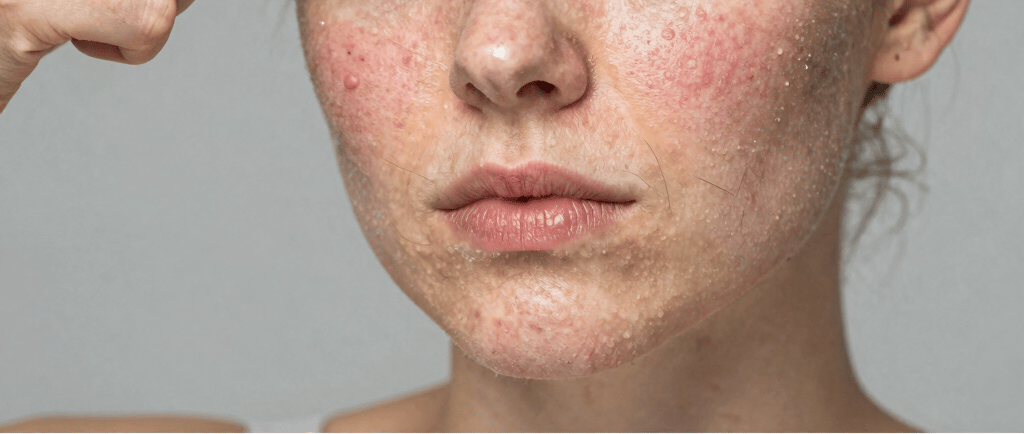
Acne is a common skin disorder characterized by the presence of various types of lesions, including pimples, blackheads, and cystic acne. It primarily affects individuals during their teenage years but can persist into adulthood, impacting individuals of all ages. The condition is most often associated with the sebaceous glands, which produce sebum, an oily substance that lubricates the skin.
There are several distinct types of acne, each manifesting differently. Pimples, also known as papules, are small, red raised lesions that can be painful or tender. When the follicle is clogged and inflamed, pus can accumulate, leading to pustules, which are similar in appearance to pimples but filled with white or yellowish fluid. On the other hand, blackheads occur when pores become clogged by sebum and dead skin cells, turning dark due to oxidation, while whiteheads remain closed to the skin surface, resulting in a white appearance.
Another severe form of acne is cystic acne, which develops when cysts filled with pus form deep in the skin. This type is typically painful and can lead to scarring, which may require medical intervention. It is essential to note that acne primarily results from four key factors: excess oil production, clogged hair follicles, bacteria, and inflammation. When the sebaceous glands produce excess sebum, this, combined with dead skin cells, can clog hair follicles, creating an environment conducive to bacterial growth.
Understanding these different acne types and their underlying mechanisms helps in identifying appropriate treatments and management strategies. A deeper insight into these factors is crucial for effective management and prevention of future breakouts.
Common Causes of Acne
Acne is a multifaceted skin condition that can be attributed to several causes. Among the most significant is hormonal changes that occur during puberty, menstruation, pregnancy, and hormonal therapies. These fluctuations in hormone levels can lead to increased oil production in the skin, a primary contributor to the formation of pimples. As sebum production intensifies, it can clog hair follicles, providing an environment conducive to acne development.
Another crucial factor in acne is the presence of bacteria, particularly Propionibacterium acnes. This bacterium naturally resides on the skin but can proliferate when hair follicles become obstructed. The accumulation of dead skin cells and sebum creates an ideal breeding ground for these bacteria, leading to inflammation and the formation of pus-filled pustules.
Lifestyle factors also play an instrumental role in the occurrence of acne. Diet, particularly one high in sugar and dairy products, has been linked to increased acne severity. Foods that cause spikes in insulin may result in heightened oil production. Additionally, high-stress levels can exacerbate acne, as stress triggers the release of cortisol, a hormone that can lead to inflammation and increased oil output.
The choice of skincare products is another consideration. Certain cosmetics and skincare items can clog pores and aggravate pre-existing acne. Products that are labeled as non-comedogenic should be prioritized to minimize the likelihood of exacerbating acne. Furthermore, environmental elements such as pollution can introduce impurities to the skin, further complicating acne conditions.
The Role of Hormones in Acne
Hormones play a crucial role in the development of acne, particularly during specific life stages such as adolescence and menstruation in women. Understanding how these hormones influence acne can provide insights into effective management strategies. In both males and females, androgens are the primary hormones involved in acne formation. These hormones stimulate the sebaceous glands in the skin, leading to increased sebum production.
During the teenage years, the body experiences significant hormonal changes due to puberty. This stage is characterized by a surge in androgen levels, which are responsible for activating the sebaceous glands. The overproduction of sebum can contribute to clogged pores, creating an environment where acne-causing bacteria can flourish. As a result, pimples and other forms of acne typically emerge during this period, affecting a large proportion of adolescents.
Additionally, in women, fluctuations in hormone levels during the menstrual cycle can exacerbate acne. Specifically, the days leading up to menstruation often see an increase in hormonal activity, particularly the rise in progesterone and testosterone. This hormonal fluctuation can lead to greater sebum production and heightened sensitivity of the skin, which may result in the formation of cystic acne or exacerbation of existing blemishes.
Furthermore, the balance of hormones is essential. Hormonal imbalances, such as polycystic ovary syndrome (PCOS), can lead to chronic acne due to persistent elevated levels of androgens. Addressing hormonal concerns through lifestyle changes, medical interventions, or skincare regimens may help mitigate acne flare-ups. Ultimately, recognizing the relationship between hormones and acne allows individuals to adopt informed strategies for prevention and treatment, emphasizing the need to consider hormonal influence in personal skincare practices.
Effective Treatments for Pimples
Pimples, a primary manifestation of acne, can be treated through a variety of methods that target both the symptoms and underlying causes. Treatment options generally fall into two categories: over-the-counter (OTC) and prescription medications. Understanding the range of available treatments is essential for effectively managing acne.
OTC treatments offer a convenient first line of defense against pimples. Products containing benzoyl peroxide are popular due to their ability to kill bacteria, reduce inflammation, and minimize the production of excess oil. Another common ingredient is salicylic acid, which works by exfoliating the skin and unclogging pores, thus reducing the incidence of pimples. These treatments are widely recognized for their accessibility and effectiveness for mild to moderate acne.
In addition to benzoyl peroxide and salicylic acid, retinoids are another choice for acne management. These vitamin A derivatives promote cell turnover and can prevent clogged pores, making them suitable for both established acne and prevention of new breakouts. They are available in both OTC and prescription forms, with the prescription versions generally being stronger and more effective.
For more severe cases of acne, healthcare providers may recommend systemic treatments. Antibiotics can be effective in treating inflammatory acne by reducing bacteria on the skin and suppressing excessive oil production. Additionally, hormonal therapies are also a viable option, particularly for individuals whose acne is linked to hormonal fluctuations, such as those experienced during menstrual cycles. These treatments can address the root causes of acne and provide longer-term relief.
Choosing the right treatment should be based on individual skin type, acne severity, and other personal factors. A thorough consultation with a dermatologist can help tailor an effective treatment plan to address specific needs, ensuring the most appropriate and effective approach to getting rid of pimples.
Home Remedies and Natural Treatments
Acne, often manifested as pimples, can be distressing for many individuals. Fortunately, there are numerous home remedies and natural treatments that can aid in managing this common skin condition. Three of the most popular ingredients used for this purpose are tea tree oil, apple cider vinegar, and aloe vera. Each has unique properties that may help reduce the appearance of pimples and maintain clearer skin.
Tea tree oil is renowned for its antibacterial and anti-inflammatory properties. It contains compounds that can help reduce acne-causing bacteria on the skin's surface. To use tea tree oil, you should dilute it with a carrier oil, such as coconut or jojoba oil, in a 1:9 ratio before applying it to the affected areas. A cotton swab can be used to gently dab the mixture on each pimple once or twice daily. However, it is crucial to perform a patch test first, as some individuals may experience irritation.
Apple cider vinegar is another popular remedy due to its astringent properties, which can help balance the skin's pH and control excess oil production. To use apple cider vinegar, mix one part vinegar with three parts water, and apply the solution to the skin with a cotton ball. This treatment should be applied no more than once a day to avoid skin irritation. It is advisable to rinse off after 10-15 minutes if any discomfort occurs.
Aloe vera, recognized for its soothing properties, can effectively reduce inflammation and promote healing. To apply aloe vera, use fresh gel extracted from the leaves of the plant or purchase a high-quality gel product. Apply it to the affected areas daily, ideally before bedtime, to allow it to work overnight. Aloe vera's hydrating and antimicrobial properties make it a gentle option for acne-prone skin.
Incorporating these home remedies into your skincare routine could yield positive results in managing pimples. However, effectiveness may vary from person to person, and it is essential to be consistent while monitoring your skin's response to these natural treatments.
Skincare Routine for Acne-Prone Skin
Establishing an effective skincare routine is essential for individuals with acne-prone skin. The primary goal is to maintain a clear complexion while preventing further breakouts. The regimen typically begins with cleansing, which is crucial for removing dirt, oil, and makeup that can accumulate throughout the day. Opt for a gentle, non-comedogenic cleanser specifically formulated for acne-prone skin to avoid clogging pores. Cleansing twice daily can help mitigate excess oil production, a common factor that contributes to the onset of acne.
Following cleansing, the use of an exfoliant can be beneficial. Chemical exfoliants containing salicylic acid or glycolic acid help to remove dead skin cells and prevent pore blockage. It is important to use exfoliants judiciously—typically two to three times a week—to avoid irritation. While physical exfoliants are available, they can sometimes exacerbate inflammation and should be used with caution.
Moisturizing is another critical component of a skincare routine for those with acne. Despite the misconception that acne-prone skin does not require moisture, it is vital to maintain skin hydration. Choose a lightweight, oil-free, non-comedogenic moisturizer to ensure that the skin receives the necessary nutrients without exacerbating breakouts.
Sun protection should never be overlooked. Incorporating a broad-spectrum sunscreen with an SPF of at least 30 is essential to safeguard skin from harmful UV rays and reduce the risk of post-inflammatory hyperpigmentation often seen in acne-prone individuals. Some sunscreens are specifically formulated for acne-prone skin and can help maintain clarity while providing effective sun protection.
By adhering to this comprehensive skincare routine and selecting the appropriate products, individuals with acne-prone skin can significantly improve their skin's appearance and overall health.
Preventive Measures and Long-Term Solutions
Preventing acne breakouts requires a multifaceted approach that encompasses lifestyle changes, dietary adjustments, and consistent skincare practices. Developing a routine that emphasizes the importance of cleansing and moisturizing can help maintain skin health in the long term.
Firstly, maintaining a regular skincare regimen is crucial. It is advisable to cleanse the skin twice daily using a gentle facial cleanser to remove excess oil, dirt, and impurities. Incorporating non-comedogenic products can significantly reduce the likelihood of clogged pores. Moreover, applying a suitable moisturizer helps to maintain the skin's hydration levels without triggering breakouts.
Nutrition plays a significant role in the management of acne. A balanced diet rich in fruits, vegetables, whole grains, and lean proteins can benefit skin health. Certain foods, such as those high in sugars and dairy, have been suggested to exacerbate acne for some individuals. Therefore, evaluating and possibly altering one’s diet can be a proactive step toward clearing the skin.
In addition to diet and skincare, lifestyle modifications are essential. Regular physical activity promotes circulation, which can enhance the skin's overall appearance and health. It is equally important to manage stress levels since stress is known to trigger hormonal fluctuations that can worsen acne. Practices such as meditation, yoga, or any engaging hobby can contribute to reduced stress.
Lastly, consistency is key in any acne management plan. Maintaining adherence to a skincare routine and being mindful of dietary choices will yield the best long-term results in preventing future breakouts. By committing to these preventive measures, individuals can take significant steps toward achieving clearer skin and reducing the incidence of acne.