
How to Get Rid of Pimples: Causes and Prevention
Understanding Pimples
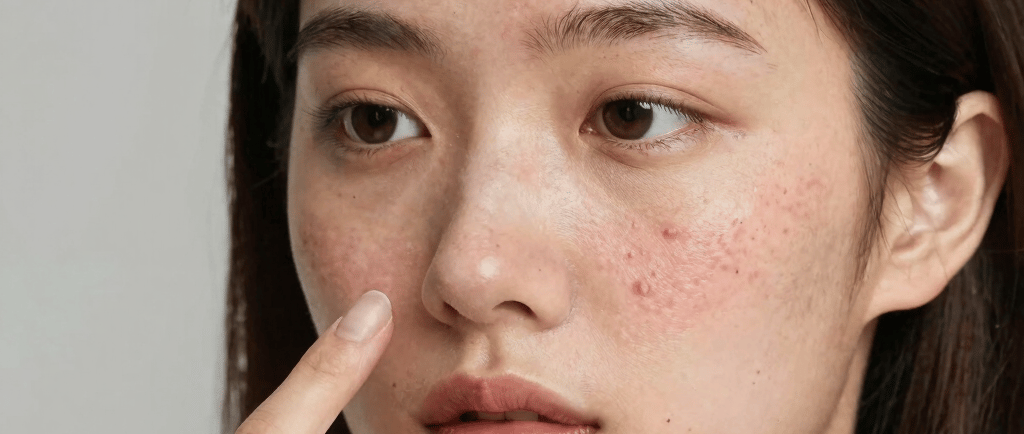
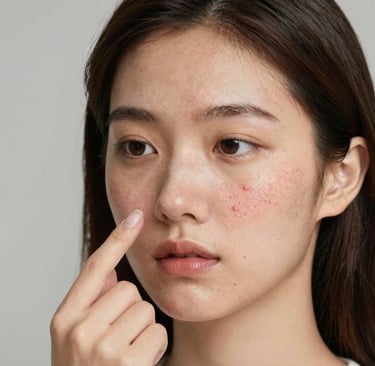
Pimples, medically referred to as acne vulgaris, are a common skin condition that manifests as small, inflamed lesions on the skin. They occur primarily due to the blockage and inflammation of hair follicles, which can become congested with excess oil, dead skin cells, and bacteria. While pimples are typically associated with adolescence, they can affect individuals of all ages, prompting discussions about their causes and prevention.
There are several different types of acne, each presenting unique characteristics and causes. The primary forms include comedonal acne, which is characterized by blackheads and whiteheads, and inflammatory acne, which includes papules, pustules, and nodules. Papules are small, raised bumps that are often red and tender, while pustules contain pus and are typically white or yellow at the tip. In more severe cases, nodules can form, which are large, painful lumps beneath the skin.
The formation of pimples begins in the epidermis, the outermost layer of the skin, which acts as a barrier against environmental pollutants. Below this is the dermis, where hair follicles and sebaceous glands reside. These glands produce sebum, an oily substance that moisturizes the skin. However, when the glands produce excess sebum, it can mix with dead skin cells and clog the hair follicles. This blockage creates an ideal environment for bacteria, particularly Propionibacterium acnes, to thrive, resulting in infection and inflammation. Consequently, this leads to the emergence of pimples, signifying a need for effective acne management and prevention strategies.
Common Causes of Pimples
Pimples are a common skin concern affecting individuals of all ages. Understanding the underlying causes of pimples is essential for effective prevention and treatment. Several factors contribute to the development of these blemishes, among which hormonal changes play a significant role. During puberty, menstruation, pregnancy, and other life stages, fluctuations in hormone levels can stimulate sebaceous glands, leading to excess oil production. This oil can clog pores and create an environment conducive to the formation of pimples.
Diet is another crucial factor in the emergence of acne. Some studies suggest that foods with a high glycemic index, such as sugar and refined carbohydrates, may trigger an increase in insulin levels, consequently causing inflammation and acne breakouts. Additionally, dairy products have been linked to acne in some individuals, making dietary choices an important consideration for those prone to this condition.
Stress, too, has been identified as a potential factor in the development of pimples. Elevated stress levels can lead to the production of hormones like cortisol, which may increase the skin's oil production and contribute to pore blockage. Furthermore, environmental factors such as pollution, humidity, and exposure to harsh chemicals can aggravate the skin, further increasing the likelihood of pimples.
Lastly, bacteria play a pivotal role in the acne formation process. Cutibacterium acnes, a type of bacteria that naturally resides on the skin, can multiply rapidly in clogged pores and contribute to inflammation. This bacterial overgrowth, along with the presence of excess oil and dead skin cells, can result in the appearance of pimples.
Skin Care Routine for Prevention
To effectively prevent pimples, establishing a comprehensive daily skin care routine is essential. This routine should focus on cleansing, exfoliating, moisturizing, and protecting the skin with sunscreen. By integrating these steps, individuals can reduce the likelihood of developing acne and maintain healthier skin.
The first step is to cleanse the skin twice daily using a gentle cleanser suited to your skin type—whether oily, dry, or combination. This helps to remove dirt, excess oil, and impurities that can clog pores and lead to pimples. Look for products that contain salicylic acid or benzoyl peroxide, as these ingredients have proven effective in preventing acne.
Exfoliation comes next and is typically recommended to be performed 1-2 times a week. Exfoliating removes dead skin cells that can accumulate and block pores, thus exacerbating the risk of pimples. A mild physical exfoliator or a chemical exfoliant with alpha hydroxy acids (AHAs) can be beneficial. It is important to be gentle during this process to avoid irritation, which can worsen acne.
Moisturizing is often overlooked but is crucial, even for those with oily skin. A lightweight, non-comedogenic moisturizer can help balance skin hydration without clogging pores. This step ensures that the skin remains hydrated and minimizes the production of excess oil, a common contributor to pimple formation.
Lastly, applying a broad-spectrum sunscreen is vital each morning, regardless of the weather. Choose a sunscreen labeled non-comedogenic to prevent blockage of the pores. Regular use of sunscreen not only protects the skin from harmful UV rays but also helps in reducing inflammation that can result from sun exposure, which may trigger pimple outbreaks.
Diet and Its Impact on Acne
The relationship between diet and acne has garnered significant attention in dermatology research. Various studies suggest that certain foods can exacerbate or alleviate the formation of pimples. Notably, diets high in refined sugars and processed foods are often associated with an increased risk of developing acne. Sugar can lead to an uptick in insulin levels, prompting the body to produce more oil, which subsequently clogs the pores and contributes to the formation of pimples.
Specifically, sugary snacks, beverages, and white bread can play a detrimental role in skin health. In contrast, diets rich in whole foods, fruits, and vegetables are beneficial for individuals concerned with acne. Antioxidant-rich foods, such as berries, nuts, and leafy green vegetables, are believed to promote skin health by fighting free radicals that can cause skin inflammation. Furthermore, foods containing omega-3 fatty acids, like salmon, chia seeds, and walnuts, have anti-inflammatory properties that may help reduce the severity of acne.
It is also essential to consider dairy products, as some studies suggest a possible link between dairy consumption and increased acne breakouts. While the exact mechanism remains unclear, it is theorized that hormones present in milk could trigger excess oil production in some individuals. Therefore, those struggling with acne might benefit from reducing their dairy intake and observing any changes in their skin condition.
Incorporating a balanced diet that emphasizes whole grains, lean proteins, and healthy fats can lead to improvements in acne-prone skin. Overall, being mindful of dietary choices may play a pivotal role in managing and preventing pimples, alongside other topical and lifestyle interventions.
Lifestyle Changes to Prevent Pimples
To reduce the risk of developing pimples and maintain healthy skin, making certain lifestyle changes can prove highly beneficial. One of the most significant adjustments is effective stress management. Stress can trigger hormonal changes that lead to increased oil production in the skin, which may contribute to the formation of pimples. Engaging in activities such as regular exercise, meditation, or yoga can help mitigate stress levels. Additionally, establishing a daily routine that prioritizes mental well-being is crucial for overall skin health.
Proper hygiene is another fundamental aspect to consider. Keeping the face clean by washing it twice daily using a gentle cleanser can help remove excess oils, dirt, and bacteria that may clog pores and lead to pimples. It is also important to refrain from touching the face, as this can transfer additional oil and bacteria, exacerbating the situation. Regularly changing pillowcases and towels can further minimize exposure to contaminants that may contribute to skin issues.
Hydration plays a vital role in skin health, making it imperative to drink plenty of water throughout the day. Proper hydration helps in maintaining skin elasticity and vitality. It also aids the body in eliminating toxins that can lead to breakouts, including pimples. Incorporating a balanced diet rich in fruits, vegetables, and whole grains can provide essential nutrients that nourish the skin internally and bolster its natural defenses.
Incorporating these lifestyle changes can significantly reduce the likelihood of pimples appearing. By focusing on stress management, maintaining proper hygiene, and staying hydrated, individuals can work towards achieving clearer, healthier skin.
When to Seek Professional Help
While many individuals experience occasional pimples as part of normal skin behavior, certain conditions may warrant a consultation with a dermatologist. If acne persists beyond the typical duration or severity, seeking professional help is advisable. In instances where over-the-counter treatments fail to yield results after several weeks, it may indicate a need for more targeted therapies that a professional can provide.
Another indication that it is time to consult a dermatologist is if the acne is accompanied by significant pain, inflammation, or scarring. Persistent, cystic acne, which often affects deeper skin layers, can lead to emotional distress and self-esteem issues, necessitating a dermatologist's intervention. Professionals can evaluate the skin condition to determine the most appropriate treatment options tailored to individual needs.
Dermatologists may suggest different treatments based on the type and severity of the acne. Options include varying topical medications such as retinoids, which promote skin cell turnover and help prevent clogged pores, or antibiotics to combat inflammation and bacterial growth. For some patients, oral treatments like hormonal therapies or isotretinoin may be necessary, particularly in cases of severe acne that doesn't respond to other treatments.
In addition to pharmacological treatments, a dermatologist may recommend procedures like chemical peels, laser therapy, or drainage and extraction methods to manage stubborn pimples effectively. These interventions can significantly improve skin appearance and reduce the likelihood of future breakouts.
In summary, recognizing when to seek professional help for persistent acne is crucial for effective management and prevention. By consulting with a dermatologist, individuals can access a range of treatments tailored to their specific concerns, leading to clearer skin and enhanced confidence.
Home Remedies for Pimples
Pimples are a common concern for many individuals, prompting exploration of various treatment options. Among these, home remedies have gained popularity due to their accessibility and the natural ingredients they often involve. Here are several effective home remedies that can help treat and prevent pimples.
One prominent remedy is tea tree oil. This essential oil contains antimicrobial and anti-inflammatory properties, making it beneficial for reducing the size and redness of pimples. To use tea tree oil safely, dilute it with a carrier oil like coconut or almond oil before applying it directly to the affected area. Caution should be exercised, as using it undiluted may cause skin irritation.
Honey is another effective natural treatment for pimples. It possesses antibacterial properties and helps to soothe the skin while promoting healing. Applying raw honey to the affected areas can assist in reducing inflammation and speeding up the healing process. For added effectiveness, combine honey with cinnamon, known for its anti-inflammatory properties, to create a paste.
Aloe vera is widely recognized for its calming and healing properties. The gel extracted from the aloe vera plant can help decrease swelling and redness associated with pimples. Regular application of aloe vera gel can also improve skin hydration, aiding in the overall appearance of the skin. Make sure to use fresh aloe vera for maximum benefits.
While utilizing these home remedies, it is important to perform a patch test, especially for individuals with sensitive skin. Applying a small amount of the substance onto a less visible area of skin can help identify any adverse reactions. Additionally, maintaining a consistent skincare routine and following these treatments can yield effective results in managing and preventing pimples.