
How to Get Rid of Acne and Pimples Without Causing a Breakout
Understanding Acne and Pimples
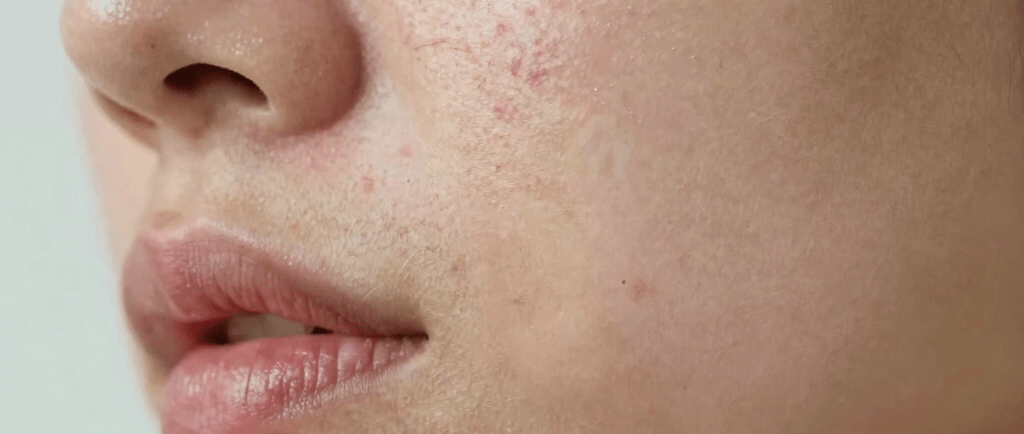
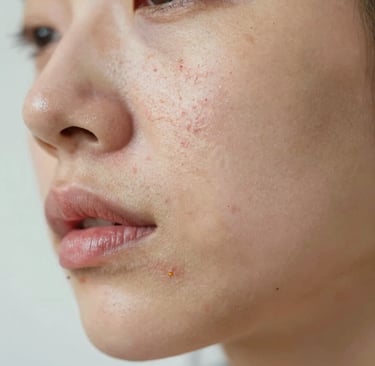
Acne is a common skin condition that primarily affects adolescents and young adults, although it can occur at any age. The disorder manifests as pimples, blackheads, whiteheads, and in severe cases, cysts. These imperfections arise from the clogging of hair follicles by excess oil, dead skin cells, and bacteria. This process can often lead to inflammation and infection, resulting in the red, swollen lesions characteristic of acne.
The underlying causes of acne are multifactorial. One significant contributor is hormonal changes, particularly during puberty, pregnancy, and menstruation, which increase the production of sebum by sebaceous glands. Sebum, an oily substance, serves as a natural moisturizer for the skin, but when produced in excess, it can lead to clogged pores and subsequent breakouts. Additionally, the presence of the bacteria Propionibacterium acnes on the skin can exacerbate inflammation and aggravate acne lesions.
Aside from hormones and bacteria, several other factors can influence the severity of acne. Diet plays a crucial role, as high glycemic index foods and dairy products may trigger or worsen breakouts in some individuals. Similarly, stress can impact hormonal balance and lead to increased oil production. Genetics also contribute to an individual's susceptibility to acne, as those with a family history of the condition are more likely to experience it themselves.
Understanding the various causes and types of acne is essential for developing effective treatment strategies. By recognizing the relationship between skin health and external factors such as diet and lifestyle, individuals can take proactive steps in managing their acne without resorting to harsh treatments that may cause more harm than good.
Common Mistakes That Cause Breakouts
When it comes to managing acne and pimples, individuals often find themselves unwittingly contributing to the problem through common skincare mistakes. One prevalent error is the tendency to over-exfoliate the skin. While exfoliation can be beneficial in removing dead skin cells and preventing clogged pores, excessive exfoliation can strip the skin of its natural oils. This disruption not only aggravates the skin but can also trigger an increase in oil production as the skin attempts to compensate for its loss, ultimately leading to more breakouts.
Additionally, many people resort to using harsh products, thinking that stronger formulations will yield faster results. Products containing aggressive ingredients can cause irritation and inflammation, further compromising the skin's barrier. This can lead to increased sensitivity and an enhanced susceptibility to breakouts. It is essential to choose gentle, non-comedogenic skincare products that respect the skin's natural balance, as this approach is often more effective in controlling acne.
Another common mistake is picking at pimples. While the urge to extract blemishes can be strong, doing so can lead to scarring and additional inflammation. This behavior can spread bacteria and exacerbate existing acne, leading to further outbreaks. The skin requires time to heal; thus, allowing pimples to resolve naturally is crucial in preventing new breakouts. Applying a spot treatment or consulting a dermatologist for professional advice may be more effective alternatives.
Finally, neglecting to adapt one's skincare routine to suit changing skin conditions can be detrimental. What works during one season or stage of life may not be suitable later on. Regularly assessing one’s skin type and its response to products ensures a more tailored approach to treating acne, resulting in improved skin health.
Top Natural Remedies for Acne Treatment
Acne is a common skin condition that affects many individuals at varying stages of life, prompting the search for effective treatment options. Among these, natural remedies have gained popularity due to their accessibility and lower risk of adverse side effects. This section discusses several potent natural ingredients that can assist in alleviating acne while promoting overall skin health.
One of the most widely recognized natural treatments is tea tree oil. Known for its anti-inflammatory and antimicrobial properties, tea tree oil can effectively reduce acne-causing bacteria on the skin. To use, dilute it with a carrier oil, such as coconut oil, and apply it directly to the affected areas. This approach helps in minimizing irritation while delivering the therapeutic benefits of tea tree oil.
Aloe vera is another excellent natural remedy for acne treatment. Its soothing properties are attributed to its high levels of vitamins, minerals, and enzymes. Aloe vera hydrates the skin, reduces redness, and aids in healing existing scars. Applying fresh aloe vera gel directly from the plant can provide a calming effect, making it ideal for inflamed skin.
Honey is not only a natural sweetener but also a powerful agent against acne. Its antimicrobial and antioxidant properties help fight off irritants and promote skin healing. Raw honey can be used as a mask or spot treatment by applying a thin layer to the skin and allowing it to sit for about 20 minutes before rinsing off.
Lastly, green tea has become a revered natural remedy due to its high concentration of antioxidants, particularly catechins, which possess anti-inflammatory qualities. Regularly applying green tea extract or using products that contain green tea can help reduce sebum production and minimize acne lesions, leading to clearer skin over time.
Effective Over-the-Counter Products
When seeking effective treatments for acne and pimples, over-the-counter (OTC) products can provide a viable solution without the need for prescription medications. Key ingredients such as salicylic acid, benzoyl peroxide, and niacinamide have been recognized for their efficacy in managing and treating acne while minimizing the risk of irritation and additional breakouts.
Salicylic acid, a beta hydroxy acid, is known for its ability to penetrate deep into the pores, effectively unclogging them. This ingredient is beneficial for individuals with oily skin types, as it helps to reduce sebum production and prevent future breakouts. It is advisable to start with a low concentration of salicylic acid and gradually increase usage as the skin becomes accustomed to it.
Benzoyl peroxide is another powerful ingredient that works by killing acne-causing bacteria and reducing inflammation. Available in different concentrations, it can be found in gels, creams, and wash formulations. For optimal results, individuals should apply benzoyl peroxide to the affected areas after cleansing the skin, ensuring that they follow up with a non-comedogenic moisturizer to alleviate potential dryness.
Niacinamide, also known as vitamin B3, is a versatile addition to any skincare regimen. It helps to regulate oil production, has anti-inflammatory properties, and improves the overall skin barrier function. Incorporating niacinamide into a skincare routine can prove beneficial for those prone to acne, as it promotes a calmer complexion while aiding in the reduction of redness and blemishes.
When integrating these OTC products into a skincare routine, it is crucial to do so gradually. Begin by using one product at a time to assess how the skin reacts, and allow ample time—typically four to six weeks—to gauge effectiveness. Additionally, pairing these treatments with a gentle cleanser and suitable moisturizer will support skin health and reduce the chances of irritation.
Lifestyle Changes to Support Clear Skin
Achieving and maintaining clear skin is often a multifaceted approach, necessitating various lifestyle changes that not only enhance one's physical health but also promote skin vitality. A significant factor influencing skin health is dietary choices. Incorporating a balanced diet rich in antioxidants, vitamins, and essential fatty acids can greatly improve skin conditions such as acne and pimples. Foods such as fruits, vegetables, whole grains, and lean proteins provide necessary nutrients that help combat inflammation and support skin repair.
Additionally, hydration plays a critical role in skin health. Ensuring adequate water intake helps in maintaining skin elasticity, flushing out toxins, and keeping blemishes at bay. It is generally recommended to consume at least eight glasses of water daily, though individual needs may vary based on factors such as activity level and environmental conditions.
Moreover, managing stress is indispensable for skin clarity. High-stress levels can lead to hormonal imbalances that trigger acne breakouts. Techniques such as mindfulness meditation, yoga, and regular physical activity can effectively diminish stress and promote overall well-being. Implementing a few minutes of relaxation or exercise into your daily routine can positively impact your skin.
Finally, the importance of sufficient sleep cannot be overstated. During sleep, the body undergoes essential repair processes that include skin regeneration. It is crucial to aim for seven to eight hours of quality sleep each night. Establishing a nighttime routine that promotes relaxation, such as reducing screen time before bed, can enhance sleep quality and, subsequently, skin health.
Skincare Routine for Acne-Prone Skin
Establishing a balanced skincare routine is essential for individuals with acne-prone skin. A well-structured regimen not only helps in managing breakouts but also enhances overall skin health. Below are key steps to follow, each designed to cater specifically to the needs of acne-prone skin.
1. Cleansing: The first step in any skincare routine is cleansing. It is important to choose a gentle, sulfate-free cleanser that effectively removes dirt, excess oil, and makeup without stripping the skin of its natural moisture. Look for products containing salicylic acid or benzoyl peroxide, as these ingredients can help in preventing breakouts and keep the pores clear. Cleanse your face twice daily, morning and night, using lukewarm water for optimal results.
2. Exfoliation: Regular exfoliation is crucial for acne-prone skin, as it helps to slough off dead skin cells that can block pores. Opt for a chemical exfoliant with alpha-hydroxy acids (AHAs) or beta-hydroxy acids (BHAs) rather than physical scrubs, which may irritate sensitive skin. Limiting exfoliation to 1-2 times a week is advisable to prevent over-exfoliation, which can exacerbate acne.
3. Toning: Following exfoliation, a toner can help balance the skin’s pH levels and remove any residual makeup or cleanser. Select a toner with soothing ingredients such as witch hazel or tea tree oil, which are known for their antibacterial properties. Avoid toners with alcohol, as they can dry out the skin and lead to increased oil production.
4. Treatment: This step involves applying targeted treatments that address acne. Consider using serums or spot treatments that contain ingredients like retinoids or niacinamide. These can help reduce inflammation and promote skin turnover, thus preventing future breakouts.
5. Moisturizing: Contrary to the belief that acne-prone skin should skip moisturizer, hydration is essential. Look for non-comedogenic moisturizers that provide hydration without clogging pores. Ingredients like hyaluronic acid or glycerin are excellent choices for maintaining skin moisture balance.
6. Sunscreen: The final step in your skincare routine should always include sun protection. Use a broad-spectrum sunscreen with at least SPF 30 daily, even on cloudy days. This protects the skin from UV damage, which can worsen acne scars.
By following these steps and selecting products tailored for acne-prone skin, individuals can effectively manage their complexion while minimizing the risk of breakouts. Each component of the skincare routine plays a vital role in promoting clear, healthy skin.
When to See a Professional
A key aspect of managing acne is recognizing when it becomes necessary to seek the expertise of a dermatologist. While many cases of acne can be treated effectively with over-the-counter solutions and proper skincare routines, certain indicators suggest that professional intervention may be crucial for resolution and to prevent further skin complications.
One of the primary reasons to consult a specialist is the presence of severe or stubborn acne that does not respond to standard at-home treatments. If you find your condition persisting or even worsening despite diligently applying topical treatments or following a prescribed regime, it is advisable to make an appointment with a dermatologist. This professional can provide access to stronger medications that might be needed, such as topical retinoids or oral antibiotics.
Additionally, if there are signs of potential scarring, it is critical to seek medical advice sooner rather than later. Acne scars can lead to lasting imperfections that may require costly and time-consuming procedures, thus addressing the issue early can alleviate such outcomes. Moreover, individuals experiencing unexpected side effects from current treatments should avoid self-medication and reach out to a qualified professional for guidance.
Dermatologists offer a variety of treatment options tailored to individual needs, ranging from chemical peels and laser therapy to prescription medications specifically designed for moderate to severe acne cases. These interventions can significantly improve skin texture and clarity while minimizing the risk of recurring breakouts. Remember, consulting with a dermatologist can provide relief and a personalized approach to achieving clearer skin effectively.