
Blind Pimples: What They Are and How to Get Rid of Them
Understanding Blind Pimples
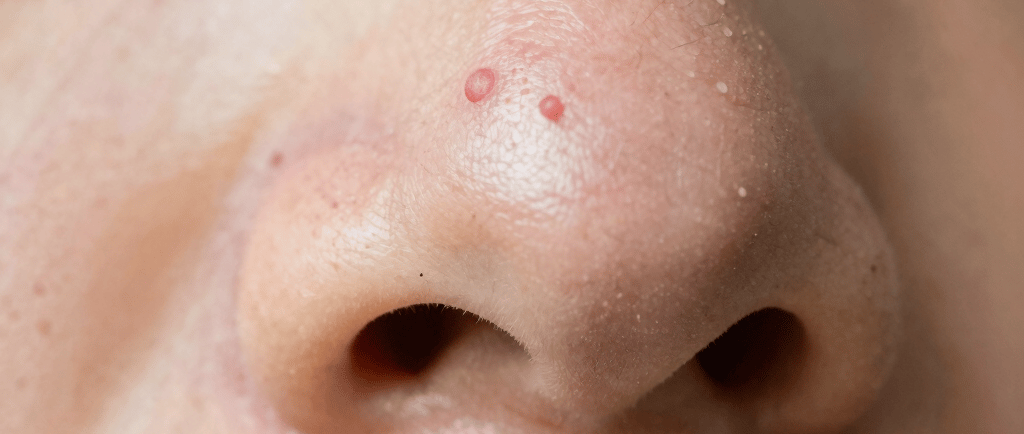
Blind pimples are a particular type of acne that can manifest deep beneath the surface of the skin, often causing discomfort without being readily visible. Unlike traditional acne, which appears as a red, raised lesion, blind pimples tend to stay under the skin, presenting a challenge both in diagnosis and management. This condition is primarily marked by tenderness and inflammation, making it particularly frustrating for those affected.
These pimples occur when hair follicles become clogged with excess oil, dead skin cells, and bacteria, leading to a prominent inflammatory response. Hormonal changes, particularly those associated with puberty, menstruation, or even stress, can trigger an overproduction of sebum, fostering the conditions necessary for blind pimples to form. As a result, while one may not see the pimple at first glance, the pain and swelling can be significant, causing discomfort that may linger for days or even weeks.
A key distinction between blind pimples and more typical acne lesions is their positioning within the skin. Regular acne often presents itself as a visible bump or pustule, whereas blind pimples remain below the skin's surface. As such, they do not have a white or blackhead appearance, making them less discernible and more difficult to treat without targeted interventions. Understanding the nature of blind pimples is essential for effective management; it allows individuals to adopt treatments that specifically address the underlying causes, such as hormonal imbalances or skincare routines that emphasize unclogging deep pores. By recognizing their unique characteristics and contributing factors, one can better navigate the path to relief from this uncomfortable skin condition.
Common Causes of Blind Pimples
Blind pimples, also known as hormonal cystic acne, can arise from a variety of underlying factors. One of the most significant triggers is hormonal fluctuations, particularly during the menstrual cycle. Women often experience variations in hormone levels, which can stimulate the sebaceous glands, leading to excessive oil production and the formation of these painful bumps.
Excessive oil production, or seborrhea, is another common cause of blind pimples. When the skin produces too much oil, it can clog pores, trapping bacteria and dead skin cells. This blockage can eventually lead to the development of blind pimples, particularly in areas prone to oily skin.
Diet also plays a critical role in acne development. Certain foods, particularly those high in sugars and dairy, may exacerbate the condition. Research suggests that diets rich in glycemic index can lead to insulin spikes, triggering increased oil production and, consequently, a greater likelihood of blind pimples forming.
Stress is another major contributor to hormonal imbalance, leading to the emergence of blind pimples. During stressful periods, the body releases cortisol, a hormone that can stimulate oil production in the skin. This creates an environment ripe for acne development, particularly in those predisposed to breakouts.
Finally, the use of certain skin products can either help or hinder one's quest for clearer skin. Comedogenic products, which are known to clog pores, can inadvertently contribute to the formation of blind pimples. Therefore, individuals should pay close attention to the ingredients in their skincare and makeup products, selecting non-comedogenic options whenever possible.
Symptoms and Identification
Blind pimples, also known as closed comedones, are a common type of acne that can be quite perplexing due to their unique symptoms and characteristics. Unlike typical acne lesions that might present as prominent pustules or whiteheads, blind pimples are usually located beneath the skin's surface. This leads to specific symptoms that can help in their identification.
One of the primary symptoms of blind pimples is tenderness or pain in the affected area. Individuals may experience discomfort when touching or applying pressure on the spot where the blind pimple is developing. This sensitivity often indicates inflammation, a hallmark sign of this acne form. Additionally, affected areas may appear red or swollen, showcasing the inflammatory response of the skin to clogged pores.
An essential aspect of identifying blind pimples involves distinguishing them from other acne types. For instance, unlike open comedones or typical acne, blind pimples do not have a visible head, making them harder to identify at a glance. Patients may notice small, firm bumps on their skin, which can be indicative of this specific condition. In comparison to inflamed cysts, blind pimples generally do not exhibit significant pus-filled centers, further differentiating them from other forms of acne.
To accurately determine the presence of blind pimples, carefully monitoring skin changes and the appearance of textures is crucial. Look for areas on the face that feel raised yet lack the typical characteristics of acne lesions, such as a noticeable head. Recognizing these unique symptoms can guide individuals in addressing their skin concerns more effectively, allowing for informed decisions regarding treatment options.
Home Remedies and Treatments
Blind pimples, often painful and frustrating, can be addressed with various home remedies and over-the-counter treatments. These options cater to reducing inflammation, promoting healing, and preventing future breakouts. Understanding the most effective approaches can significantly enhance skin health.
One of the most accessible home remedies involves the application of natural ingredients known for their anti-inflammatory properties. For instance, tea tree oil, recognized for its antibacterial effects, can be diluted with a carrier oil and applied directly to the affected area. This not only aids in reducing swelling but also helps combat the bacteria responsible for acne formation.
Another effective natural remedy includes applying a paste made from crushed garlic. Garlic possesses antimicrobial properties and can assist in fighting infections while reducing inflammation. However, it is essential to apply it cautiously, as some individuals may experience irritation.
In addition to home remedies, there are several over-the-counter treatments that can be beneficial for blind pimples. Products containing salicylic acid are particularly effective, as this ingredient helps to exfoliate the skin and unclog pores. Regular use can lead to a significant reduction in the occurrence of blind pimples.
Benzoyl peroxide is another topical treatment frequently recommended for acne. It works by killing the bacteria causing the breakouts and can also help in reducing redness and inflammation. When incorporating benzoyl peroxide into a skincare regimen, starting with a lower concentration can minimize the risk of skin irritation.
Additionally, using pimple patches can provide targeted treatment. These patches create a moisture-rich environment that promotes healing while absorbing excess oil and pus. Such patches can be particularly useful for overnight treatment, allowing users to wake up with improved skin.
By exploring various home remedies and over-the-counter treatments, individuals can find a personalized approach that effectively addresses blind pimples. Regular practice of these methods can lead to clearer and healthier skin over time.
Professional Treatment Options
For individuals experiencing severe cases of blind pimples, professional treatment options offer effective solutions. Consulting a dermatologist can provide tailored treatments that address the specific manifestations of blind pimples. Among the most common professional treatments are corticosteroid injections, chemical peels, and laser therapy.
Corticosteroid injections are often utilized to reduce inflammation and swelling in the affected areas. When a blind pimple is particularly painful or inflamed, a dermatologist may inject a small amount of corticosteroid directly into the lesion. This method can speed up the healing process and alleviate discomfort, often leading to a noticeable reduction in the size of the pimple within a few days.
Chemical peels represent another viable option for treating persistent blind pimples. These peels involve the application of a chemical solution to the skin, promoting exfoliation and the removal of dead skin cells. By doing so, chemical peels can help in unclogging pores, reducing the occurrence of blind pimples. While multiple sessions may be required for optimal results, many patients report clearer skin and fewer breakouts.
Laser therapy is an advanced treatment option that can also prove effective against blind pimples. Utilizing focused light beams, laser therapy targets the bacteria and oil production associated with acne lesions. This method not only helps reduce current lesions but may also assist in diminishing the appearance of scars left by previous breakouts. The effectiveness of laser therapy can vary from person to person, and ongoing sessions may be needed to achieve desired outcomes.
Engaging with a healthcare professional ensures that the most appropriate treatment plan is established based on individual skin type and condition. These professional treatments can significantly enhance the management of severe blind pimples and improve overall skin health.
Preventive Measures to Avoid Blind Pimples
Preventing blind pimples involves adopting a comprehensive skincare routine and making lifestyle adjustments. The initial step is establishing a daily cleansing regimen tailored to your skin type. Utilizing mild, non-comedogenic cleansers can effectively remove excess oil and impurities without stripping the skin of its natural moisture. Regular exfoliation, approximately once or twice a week, is also beneficial. This process removes dead skin cells and helps prevent clogged pores, which are often the origin of blind pimples.
A crucial aspect of skincare is moisturizing. Even for oily skin types, using a lightweight, oil-free moisturizer can help maintain skin hydration. Hydrated skin is less prone to irritation and breakouts. Additionally, incorporating products containing salicylic acid or benzoyl peroxide can preemptively target and control acne formation.
In terms of lifestyle choices, stress management plays an essential role in the prevention of blind pimples. High-stress levels can induce increased oil production, contributing to the occurrence of blemishes. Engaging in stress-relieving activities such as exercise, meditation, or adequate sleep can positively impact skin health.
Diet also significantly affects skin condition. Consuming a balanced diet rich in fruits, vegetables, and whole grains while minimizing processed foods and sugars can promote clearer skin. Foods high in antioxidants and omega-3 fatty acids have been shown to reduce inflammation and support skin health.
Another pivotal factor in avoiding blind pimples is staying adequately hydrated. Drinking enough water throughout the day helps maintain moisture levels in the skin, facilitating the body's natural detoxification processes. This hydration not only supports overall health but also reduces the likelihood of excess oil production and clogged pores.
When to See a Dermatologist
Blind pimples, also referred to as closed comedones, can often be managed effectively at home with proper skin-care routines and over-the-counter treatments. However, there are specific circumstances in which it is advisable to seek the expertise of a dermatologist. Recognizing these signs can help prevent complications and ensure that you receive the most suitable treatment for your skin type.
One significant reason to consult a dermatologist is the presence of signs of infection. If a blind pimple becomes increasingly painful, swollen, or exhibits signs of pus, it may indicate an infection that requires medical intervention. A dermatologist can assess the severity of the infection and prescribe appropriate antibiotics or drainage procedures if necessary.
Persistent or severe breakouts that do not improve with standard treatments are another compelling reason to seek professional advice. If you notice that blind pimples frequently reoccur or are accompanied by other symptoms, such as cystic acne, it may signal an underlying condition that necessitates a more tailored approach. Dermatologists have the tools and knowledge to develop customized skin care plans based on your individual needs, thereby providing more effective solutions.
Additionally, if you have sensitive skin or are experiencing unusual side effects from treatments, it is crucial to consult a healthcare professional. Some over-the-counter products may not be suitable for certain skin types, and a dermatologist can help identify products that will be gentler and more efficacious.
In conclusion, while blind pimples can often be treated effectively at home, recognizing the signs that warrant a visit to a dermatologist is essential for long-term skin health. Early intervention can prevent complications and enable you to achieve clearer skin.