
How to Get Rid of a Deep, Painful Cystic Pimple
Understanding Cystic Acne
Cystic acne is a severe form of acne characterized by the presence of large, painful bumps beneath the skin's surface. Unlike other types of acne, such as blackheads or whiteheads that are non-inflammatory, cystic acne manifests as inflamed cysts filled with pus and can lead to significant discomfort and scarring. It typically occurs when the oil glands in the skin become obstructed, resulting in the accumulation of sebum, dead skin cells, and bacteria within the pores.
The primary culprits behind the development of cystic pimples include hormonal fluctuations, excessive production of oil, and the activity of the bacteria known as Propionibacterium acnes. Hormonal changes, particularly those triggered by puberty, menstruation, and certain endocrine disorders, can stimulate the sebaceous glands, which often leads to an overproduction of sebum. This excess oil serves as an ideal environment for bacteria to thrive, further exacerbating inflammation and pain.
In addition to hormones, genetic factors can play a substantial role in the occurrence of cystic acne. Individuals with a family history of acne are more prone to experience similar skin issues, which often makes cystic acne a persistent struggle. The inflammation associated with cystic pimples is what makes them particularly painful and long-lasting, as the deeper layers of the skin remain affected even after the surface appears healed.
Furthermore, lifestyle factors such as diet, stress, and improper skincare can influence the severity of cystic acne outbreaks. It is essential to identify these contributing factors to develop a more effective treatment strategy. Understanding the intricacies of cystic acne allows individuals to take preventive measures and seek appropriate treatment options to alleviate discomfort and minimize the risk of scarring.
Identifying Cystic Pimples
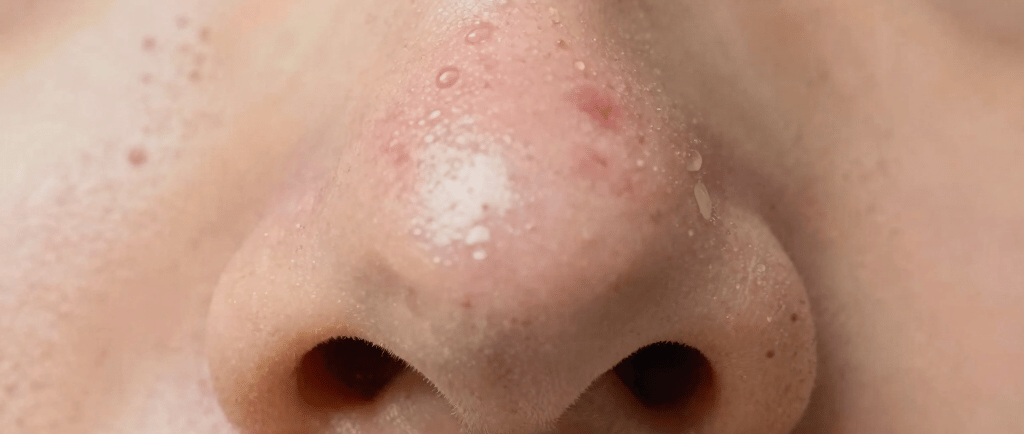
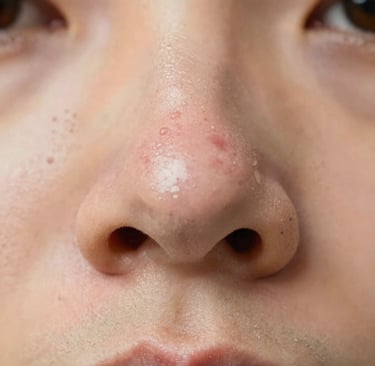
Cystic pimples are one of the most severe forms of acne and can be quite painful. They are different from regular pimples in several key aspects that are crucial for identification. Firstly, cystic pimples are typically larger and form deeper within the skin compared to superficial acne lesions. They can appear as hard, swollen lumps that may vary in color from red to skin-toned, indicating inflammation.
One of the most distinctive visual characteristics of cystic pimples is their tendency to be less defined than regular pimples. While traditional pimples often have a clearly demarcated area with a pus-filled center, cystic pimples may not have a visible head. Instead, individuals may notice a tender area that feels painful to the touch, signaling a deeper infection or blockage within the skin's oil glands.
Location also plays a significant role in identifying cystic lesions. These problematic pimples often occur on the face, particularly on sensitive or oily areas such as the jawline, cheeks, and forehead. However, they can also appear on the back, chest, or shoulders, where sebaceous glands are more prevalent.
It's essential to recognize when a developing pimple is turning cystic. Initial signs may include increasing pain, swelling, and an unclear border as the lesion grows. If a typical pimple begins to feel increasingly painful or hard beneath the surface, this may indicate that it is progressing into a cystic form. At this stage, seeking treatment early can help prevent further complications and reduce scarring.
Immediate Relief Techniques
Dealing with a deep, painful cystic pimple can be an uncomfortable experience, and finding immediate relief is often a priority. One effective method is to apply a cold compress to the affected area. By using a clean cloth or an ice pack wrapped in a towel, you can reduce inflammation and numb the pain. The cold temperature constricts blood vessels, which diminishes swelling and can provide instant comfort to your skin.
Another option for quick relief is to consider over-the-counter treatments, particularly those containing benzoyl peroxide. This compound works by killing acne-causing bacteria and promoting faster cell turnover. It is essential to follow the product instructions to avoid irritation and to apply it only to the affected area to maximize its effectiveness. Additionally, topical treatments that contain salicylic acid can help unclog pores, further addressing the underlying issue.
Light therapy is another innovative technique gaining traction in skincare for treating acne, including cystic pimples. This method involves using specific wavelengths of light to target and destroy acne bacteria beneath the skin's surface. Blue light therapy specifically has been shown to be effective in killing the bacteria responsible for cystic acne, thus alleviating pain and swelling. Many devices are available for at-home use, providing a convenient option for those seeking immediate relief.
In summary, utilizing a combination of a cold compress, topical treatments with benzoyl peroxide or salicylic acid, and potentially light therapy can provide relief from the discomfort of cystic pimples. Implementing these strategies promptly may result in a reduction of both pain and inflammation, helping to improve your skin's condition.
Home Remedies for Cystic Pimples
Cystic pimples can be particularly troublesome due to their painful nature and the inflammation they cause. Fortunately, several home remedies can alleviate the discomfort and help reduce the appearance of these acne lesions. Natural ingredients such as tea tree oil, aloe vera, and witch hazel are known for their powerful anti-inflammatory and antibacterial properties, making them suitable for treating cystic acne.
One effective remedy is tea tree oil, which contains compounds that can help mitigate the growth of acne-causing bacteria. To use tea tree oil, dilute a few drops with a carrier oil, such as coconut oil, to avoid irritation. Apply this mixture gently to the cystic pimple using a cotton ball. This method can reduce swelling and redness, offering relief within a few days of consistent use.
Aloe vera is another natural remedy celebrated for its soothing properties. It helps in calming inflammation and can promote healing. You can apply pure aloe vera gel directly from the leaf to the affected area. Leave it on for at least 30 minutes or overnight for optimal results. Regular application can enhance skin healing and may diminish cystic pimples over time.
Witch hazel, derived from the leaves and bark of the witch hazel plant, acts as a natural astringent and is renowned for reducing inflammation. To incorporate witch hazel into your skincare routine, apply it on a cotton pad and gently dab it on the cystic area. This can help in tightening skin and reducing the size of the cystic pimple.
While these home remedies may aid in managing cystic acne, it is essential to remain patient as improvement may take some time. Always observe how your skin reacts to these treatments, and if irritation occurs, discontinue use or consult a dermatologist for further advice.
When to See a Dermatologist
Understanding when to seek professional help for cystic acne is crucial in preventing further complications and ensuring effective treatment. Cystic pimples can vary greatly in their severity and persistence, and certain indicators suggest that a consultation with a dermatologist is necessary.
If a cystic pimple continues to cause significant pain or discomfort despite at-home treatment options, it is advisable to seek expert advice. Ongoing pain can be indicative of an infection or an inflammatory response that may require professional intervention. Additionally, if cystic pimples are recurring, this can signal an underlying issue that needs to be addressed therapeutically.
The presence of scarring is another critical factor that necessitates a visit to a dermatologist. Facial scars can result from cystic acne if proper care is not taken. Dermatologists are equipped to assess the extent of damage and provide solutions that can aid in both treating existing cysts and preventing future outbreaks.
During a consultation, dermatologists may recommend various treatment options based on the severity of the cystic acne. Treatments can include oral medications, such as antibiotics or hormonal treatments, which can help reduce inflammation and bacteria associated with cystic pimples. In some cases, dermatologists might suggest professional procedures, such as cortisone injections, which are effective in rapidly reducing the size and pain of cystic pimples. Other options include light therapy and chemical peels, which can also contribute to clearer skin over time.
Ultimately, early intervention with a dermatologist can facilitate a more effective treatment plan, minimizing both the intensity and frequency of cystic acne flare-ups while protecting your skin from long-term damage.
Preventing Future Cystic Breakouts
To effectively prevent future cystic breakouts, adopting a consistent skincare routine is paramount. This should involve cleansing the skin twice daily with a gentle, non-comedogenic cleanser to remove excess oil and impurities that can clog pores. Additionally, incorporating products containing salicylic acid or benzoyl peroxide can help manage and prevent acne breakouts by exfoliating the skin and reducing inflammation.
Dietary changes also play a significant role in preventing cystic acne. A balanced diet rich in vitamins and antioxidants can support skin health. It is advisable to limit the intake of high-glycemic foods, such as refined carbohydrates and sugars, which may contribute to acne development. Instead, opt for whole grains, fruits, vegetables, and lean proteins. Staying adequately hydrated by consuming sufficient water each day is equally important in maintaining skin elasticity and promoting overall skin health.
Additionally, managing stress levels is essential for preventing cystic pimples. Stress can trigger the release of hormones that lead to increased oil production in the skin. Incorporating stress-relief techniques such as yoga, meditation, or regular physical exercise can help maintain hormonal balance and promote clearer skin. Developing healthy coping strategies to deal with stressors can empower individuals to take control of their skin health.
Lastly, it is crucial to avoid picking at or squeezing existing acne lesions, as this can exacerbate inflammation and lead to further breakouts. Instead, consider consulting a dermatologist for personalized advice regarding acne treatments and skincare regimens. By following these actionable steps, individuals can significantly reduce the likelihood of experiencing future cystic breakouts, promoting long-term skin health and confidence.
Conclusion and Final Thoughts
Managing cystic acne can be a challenging journey, but it is important to remember that you are not alone in this struggle. Cystic pimples stem from deep inflammation within the skin, and addressing them effectively often requires a combination of treatments and self-care practices. Throughout this blog post, we have explored various methods to help alleviate the discomfort of cystic acne, ranging from topical treatments to dietary adjustments and professional interventions.
It is crucial to adopt a comprehensive approach that meets your individual needs. While over-the-counter products containing salicylic acid or benzoyl peroxide can be beneficial, some individuals may find that they need to consult a dermatologist for more advanced options, such as corticosteroids or oral medications. These professionals can tailor a treatment plan, ensuring it aligns with your skin type and lifestyle.
Moreover, patience plays a vital role in the process of healing. It may take time to see significant improvements, and sometimes the journey may come with setbacks. Therefore, maintaining a consistent skincare routine alongside leading a healthy lifestyle is paramount. Stress management, adequate sleep, and a balanced diet rich in vitamins can greatly impact your skin's health.
Above all, it is important to practice self-compassion during the management of cystic acne. While it may feel discouraging at times, acknowledging your efforts and celebrating small victories can instill motivation. In conclusion, dealing with cystic acne is not merely about addressing the physical symptoms but also requires caring for your emotional well-being. Embrace the journey, stay informed, and seek support when necessary. Your path to clearer skin is achievable with time, effort, and the right approach.