
How to Get Rid of a Pimple Fast: Proven Methods That Work

Understanding Pimples: What Causes Them?
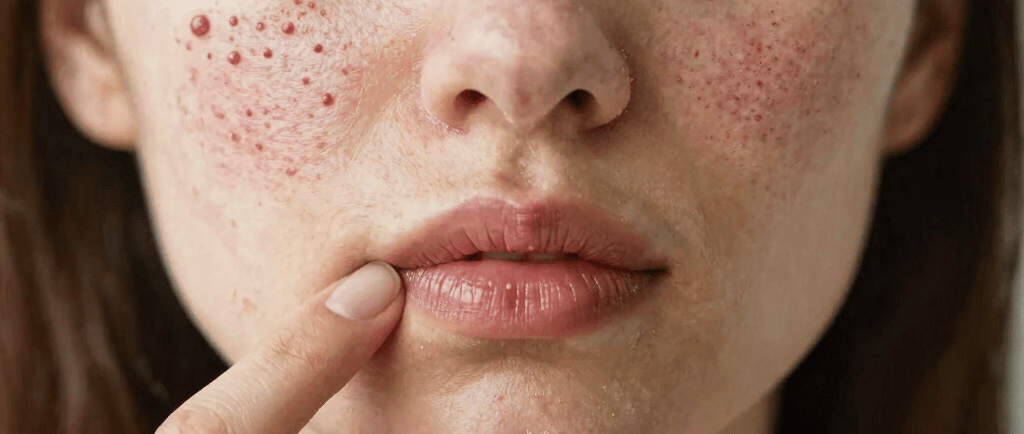
Pimples, a common form of acne, result from a combination of factors that disrupt the natural equilibrium of the skin. Understanding the underlying causes of pimples can aid in developing effective treatment strategies and preventive measures. One of the primary factors contributing to pimple formation is hormonal changes. Fluctuations in hormones, particularly during puberty, menstruation, or hormonal therapies, can stimulate sebaceous glands. These glands produce excess oil, leading to clogged pores.
In addition to hormonal influences, bacteria play a significant role in the development of pimples. The skin is home to various microorganisms, including Propionibacterium acnes. When pores become obstructed due to excess oil and dead skin cells, these bacteria can multiply, resulting in inflammation and the formation of pimples. This correlation between bacteria and acne highlights the importance of maintaining a clear and healthy skin environment.
Clogged pores are another critical factor in pimple development. When dirt, makeup, or dead skin cells accumulate on the skin's surface, they can block hair follicles. This obstruction not only traps oil but also creates an ideal setting for bacteria to thrive. As a result, the skin can become inflamed, leading to the emergence of pimples. Regular cleansing and exfoliation can help mitigate this issue and promote clearer skin.
Excess oil production due to genetic factors or lifestyle choices is also a significant contributor. Diet, stress levels, and skincare routines can affect oil production, potentially increasing the likelihood of acne formation. Consequently, understanding these factors is vital in managing and preventing pimples effectively. By identifying the root causes, individuals can take targeted steps to minimize the appearance of pimples and achieve healthier skin.
Immediate Remedies: Quick Solutions for a Fast Fix
When faced with a sudden breakout, it is important to have a clear strategy to reduce the visibility of the pimple as quickly as possible. Several immediate remedies can provide rapid relief and lessen the inflammation associated with acne. Among the most effective methods is ice therapy, which involves applying an ice cube wrapped in a cloth directly to the affected area. The cold temperature can help constrict blood vessels, leading to reduced swelling and redness. This technique is best utilized in intervals of 5–10 minutes several times a day until the pimple visibly diminishes.
Another beneficial option is the use of antiseptic creams. These products typically contain ingredients that can kill bacteria and help prevent infection, which is especially important in the context of acne. For optimal results, select creams that include antiseptic agents like benzoyl peroxide or salicylic acid. Both of these ingredients are well-known for their ability to penetrate the pores, reduce oil production, and promote exfoliation of dead skin cells.
Spot treatments are another popular choice for fast action against pimples. Many over-the-counter products target blemishes directly, providing concentrated formulas that can significantly diminish the size and appearance of spots. Look for treatments featuring salicylic acid, which helps to clear blocked pores, or tea tree oil, known for its natural antibacterial properties. Always follow the manufacturer's instructions, as using too much of these products can lead to skin irritation.
Additionally, ensuring that your skin is clean and properly moisturized can aid in the healing process. Remember that incorporating these immediate remedies into your daily skincare routine may help you achieve a smoother complexion over time. However, if breakouts persist, consulting a dermatologist is advisable for tailored solutions.
Natural Remedies: Home Solutions You Can Try
When it comes to treating a pimple swiftly, natural remedies offer effective and safe alternatives. Home solutions, utilizing common ingredients, can help reduce inflammation and speed up healing. Below are some popular natural remedies with their respective benefits and application methods.
Tea Tree Oil: Renowned for its antimicrobial properties, tea tree oil can combat the bacteria causing acne. To use, dilute a few drops of tea tree oil with a carrier oil, such as jojoba or coconut oil, before gently applying it to the affected area with a cotton swab. It’s essential to conduct a patch test first to ensure there’s no allergic reaction.
Aloe Vera: Aloe vera is widely recognized for its soothing and anti-inflammatory properties. It aids in reducing swelling and redness. For application, take a fresh aloe vera leaf, extract the gel, and apply it directly to the pimple. Allow it to sit for about 30 minutes before rinsing it off with lukewarm water. This remedy is suitable for daily use, promoting overall skin health.
Honey: Honey is more than a natural sweetener; it possesses antibacterial properties and is excellent for wound healing. Apply a small amount of raw honey directly onto the pimple and leave it for 20-30 minutes before rinsing it off. Its anti-inflammatory benefits can help soothe irritation and reduce the size of the pimple.
Green Tea: Green tea is rich in antioxidants, particularly epigallocatechin gallate (EGCG), which can help decrease acne. To use, steep green tea leaves in hot water, let it cool, and then apply the cooled tea to the affected areas with a cotton ball. Alternatively, you can use green tea extract as a topical treatment. Consuming green tea regularly may also assist in improving skin conditions over time.
While these natural remedies can be effective, it is important to remember that individual skin responses can vary. Always consult with a dermatologist if unsure about which method to choose or if the acne worsens.
Preventing Future Breakouts: Long-Term Care
Preventing future breakouts involves a comprehensive approach that integrates consistent skincare routines, beneficial lifestyle changes, dietary adjustments, and effective stress management techniques. These strategies can significantly mitigate the occurrence of pimples, promoting overall skin health.
First and foremost, establishing an effective skincare routine is paramount. Individuals should prioritize gentle cleansing with products that cater specifically to their skin type. Utilizing a non-comedogenic moisturizer, which does not clog pores, is also essential. It is advisable to incorporate exfoliation techniques 1-2 times a week to remove dead skin cells, facilitating a smoother complexion and preventing clogged pores that can lead to pimples.
Lifestyle changes can play a significant role in preventing breakouts. Regular physical activity enhances circulation and helps to clear toxins from the skin. Adequate sleep is equally critical, as it encourages skin repair and renewal. Moreover, individuals should strive to manage stress effectively, recognizing that stress can lead to hormonal fluctuations resulting in increased oil production and subsequent breakouts.
In terms of dietary recommendations, a balanced diet rich in fruits, vegetables, whole grains, and lean proteins can contribute to healthier skin. Limiting sugar and dairy intake may also be beneficial, as some studies suggest a link between these foods and acne. Hydration is vital; consuming an adequate amount of water can help maintain skin elasticity and promote overall health.
Additionally, choosing non-comedogenic products is crucial. This extends beyond skincare to include makeup and sun protection products. By selecting formulations that do not block pores, individuals can significantly reduce the chances of acne. Consistent and mindful care towards skin can enhance its overall resilience against breakouts.
When to See a Dermatologist: Recognizing Serious Issues
While many cases of acne can be effectively managed with over-the-counter treatments or home remedies, there are instances when seeking professional help from a dermatologist becomes crucial. Recognizing the signs that indicate a need for a dermatological intervention can significantly influence the outcome of your skin health.
One of the primary reasons to consult a dermatologist is the persistence of acne despite various home treatments. If you find that your breakouts continue for several weeks or even months, it may signal an underlying issue that requires professional evaluation. A dermatologist can provide a tailored treatment plan that may include prescription medications, topical treatments, or advanced therapies such as chemical peels or laser treatments.
Additionally, individuals suffering from severe forms of acne, such as cystic acne, should not hesitate to seek dermatological advice. Cystic acne is characterized by painful, deep-seated lesions that can lead to lasting scarring if left untreated. A dermatologist’s expertise is essential in addressing such severe conditions appropriately and effectively.
Other indicators that prompt a visit to the dermatologist include the presence of large, inflamed pimples that continue to worsen or spread, the appearance of nodules, or if you notice significant changes in your skin. Also, if acne is severely impacting your quality of life, contributing to emotional distress, or causing symptoms such as persistent itching or irritation, it is important to seek help.
In conclusion, while many individuals manage mild acne at home, understanding when to consult a dermatologist is vital. Recognizing persistent or severe symptoms can lead to effective treatment and a more holistic approach to managing skin health.
Lifestyle Tips: Supporting Skin Health from Within
Maintaining skin health is a multifaceted endeavor, significantly affected by one’s lifestyle choices. A crucial component in achieving clear skin is proper hydration. Drinking adequate amounts of water is essential, as it helps to flush out toxins and supports the skin's elasticity and radiance. It is recommended to consume at least eight glasses of water a day, though individual needs can vary based on activity levels and climate.
Balanced nutrition also plays a pivotal role in skin health. Diets rich in fruits, vegetables, lean proteins, and healthy fats can enhance skin vitality. Foods high in antioxidants, such as berries, nuts, and green leafy vegetables, can combat oxidative stress, which contributes to acne and other skin issues. Omega-3 fatty acids, found in fish and flaxseeds, help to maintain the skin’s barrier function and can reduce inflammation. Incorporating these nutrient-dense foods into daily meals aids in alleviating acne and promoting an overall healthy complexion.
Another important aspect of skin health is ensuring adequate sleep. Quality sleep is fundamental for the body’s repair processes, including those affecting the skin. When individuals do not get enough rest, their skin may exhibit increased signs of stress, leading to various skin conditions. For adults, aiming for seven to nine hours of sleep per night is advisable.
In addition to internal factors, external influences such as pollution and sun exposure can negatively impact skin health. Pollution can lead to skin irritation and accelerated aging, while ultraviolet (UV) rays can exacerbate conditions like acne and sensitivity. To counter these effects, it is recommended to use a broad-spectrum sunscreen daily and to implement a skincare routine that includes gentle cleansing and moisturizing. These protective measures help mitigate environmental damage, promoting healthier skin over time.
Conclusion: Your Action Plan for Clear Skin
Achieving clear skin requires a combination of effective strategies and consistent care. Throughout this blog post, we discussed various proven methods to get rid of a pimple fast, such as using over-the-counter treatments, applying cold compresses, and maintaining a proper skincare routine. Each method holds unique benefits, but finding the right combination tailored to your skin type is crucial.
To create a personalized action plan, consider implementing daily skincare practices that include cleansing, exfoliating, and moisturizing. It is essential to choose products that suit your skin’s unique needs, whether it’s oily, dry, or combination skin. Ingredients like salicylic acid and benzoyl peroxide can be especially effective in managing breakouts, but they should be introduced gradually to avoid irritation.
Moreover, nurturing your skin from the inside out cannot be overlooked. Ensuring that you stay hydrated, maintain a balanced diet, and manage stress levels can significantly improve skin health. Lifestyle changes, such as getting adequate sleep and avoiding touching your face, also contribute positively to clear skin outcomes.
While seeking rapid results is common when dealing with a pimple, patience is vital. Clear skin is often the result of consistent skincare habits over time. It is not merely about quick fixes or spot treatments, but creating a routine that supports skin health in the long term.
In conclusion, by integrating the strategies outlined in this post into your daily life and maintaining persistence, you will be well on your way to achieving and preserving clear skin. Remember, everyone's skin is different, so be gentle with your approach and adjust your plan as necessary for optimal results.